Setting the Stage: Why Daily Care Matters
Consistent at‑home oral hygiene—brushing twice a day with fluoride toothpaste, daily flossing, tongue cleaning and an alcohol‑free antibacterial mouthwash—greatly reduces plaque and tartar buildup. When patients arrive for their semi‑annual visit with less hardened calculus, the dental hygienist can focus on polishing and preventive fluoride treatments rather than extensive scaling, making the appointment faster and more comfortable. Beyond the smile, a clean mouth lowers systemic inflammation and has been linked to reduced risk of cardiovascular disease, stroke, diabetes complications and adverse pregnancy outcomes. Loud Family Dental in Shreveport embraces this connection by educating families, offering flexible scheduling and providing a welcoming, community‑focused environment where every patient can achieve optimal oral health and enjoy lasting benefits for their overall well‑being and reinforce a culture of preventive care for generations.
The Core Benefits of Consistent Oral Hygiene
 Benefits of oral hygiene
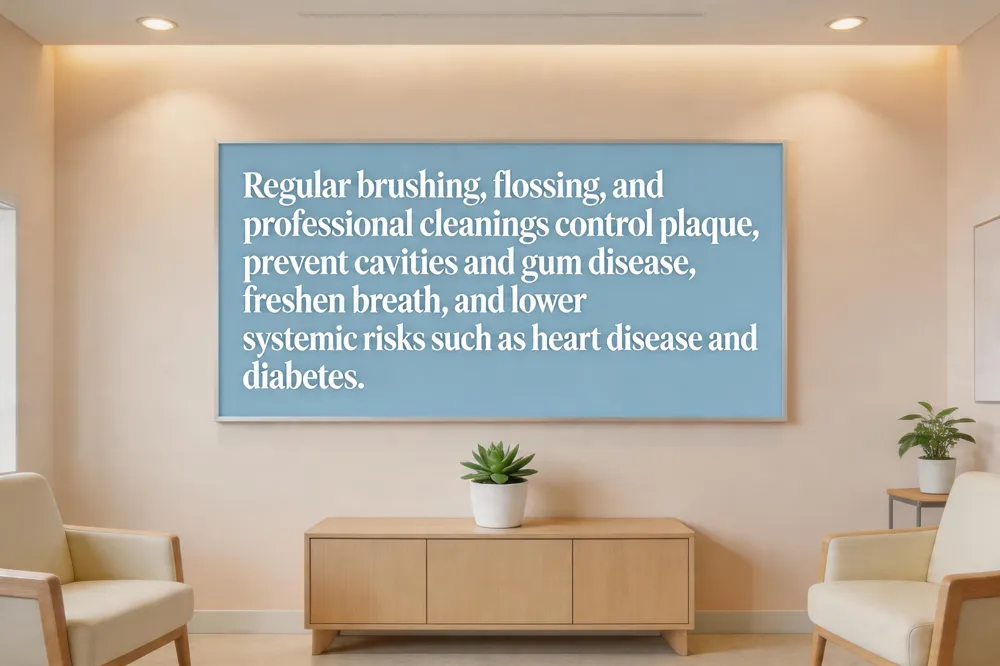
Practicing regular oral hygiene—brushing twice daily, flossing, and visiting the dentist for cleanings—keeps plaque and harmful bacteria under control, preventing gum disease and cavities. It freshens breath, maintains whiter teeth, and reduces inflammatory load that research links to lower risks of heart disease, stroke, and respiratory infections. Good oral care also helps manage blood‑sugar levels and may lower the chance of type 2 diabetes.
Benefits of oral hygiene
Practicing regular oral hygiene—brushing twice daily, flossing, and visiting the dentist for cleanings—keeps plaque and harmful bacteria under control, preventing gum disease and cavities. It freshens breath, maintains whiter teeth, and reduces inflammatory load that research links to lower risks of heart disease, stroke, and respiratory infections. Good oral care also helps manage blood‑sugar levels and may lower the chance of type 2 diabetes.
Importance of oral hygiene in daily life Daily oral care removes plaque, the bacterial film that causes decay and gum inflammation, protecting teeth, gums, and overall health. By limiting bacterial entry into the bloodstream, it lowers the risk of serious systemic conditions, supports proper chewing and nutrition, and preserves natural teeth—preventing painful loss, facial changes, and speech issues. A healthy smile boosts confidence and emotional well‑being.
Dental hygiene definition Dental hygiene is the routine of keeping the mouth, teeth, and gums clean through brushing, flossing, mouthwash, and professional cleanings that remove tartar and prevent disease. It is a preventive strategy that supports both oral and systemic health.
Dental care definition Dental care combines daily hygiene habits with professional services—exams, cleanings, X‑rays, and necessary treatments—to prevent disease, maintain function, and promote overall well‑being.
Oral hygiene steps
- Rinse with an antimicrobial mouthwash. 2. Brush for two minutes at a 45‑degree angle using fluoride toothpaste. 3. Floss or use interdental cleaners. 4. Scrape or brush the tongue. 5. Finish with a final rinse. Performing these steps twice daily reduces plaque, gum disease, and long‑term costs by avoiding extensive restorative work.
Crafting a Complete At‑Home Routine
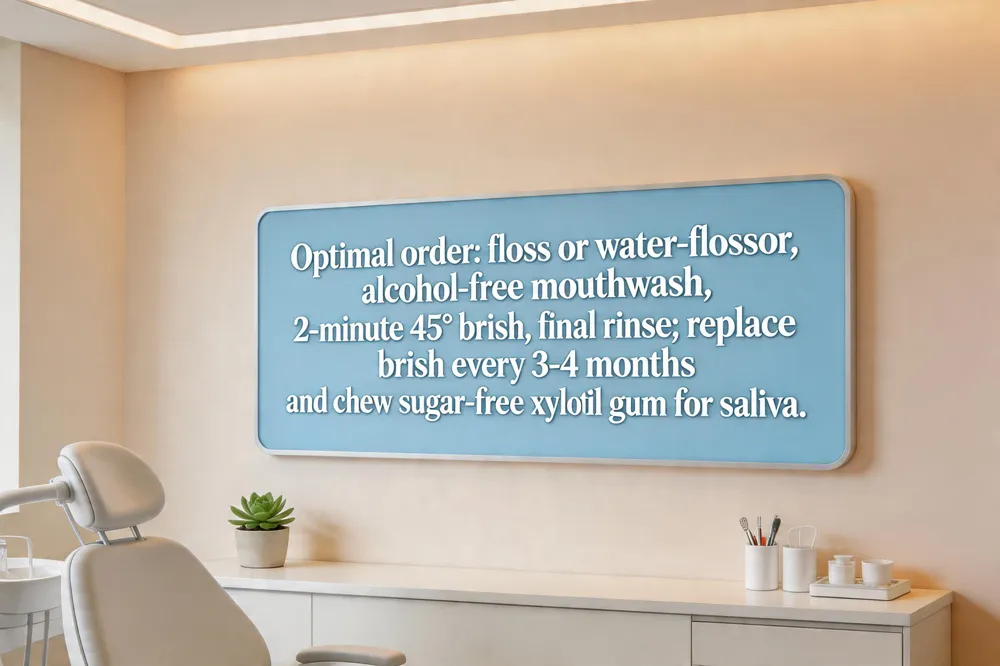 Optimal oral‑hygiene routine order is: (1) floss or use a water‑flosser to dislodge debris, (2) rinse with alcohol‑free antibacterial mouthwash to lower bacteria, (3) brush for two minutes using gentle 45‑degree angle circular motions, covering all surfaces and tongue, and (4) finish with a final rinse or water‑flosser pass to clear any remaining particles.
Tips for effectiveness and comfort include brush for two minutes (a timer helps), replace the brush every three‑four months, using a brush at a 45‑degree angle to protect gums, and chewing sugar‑free xylitol gum after meals to stimulate saliva. Consistently following these steps, dental cleanings keep cavities, gum disease, and bad breath at bay while supporting health.
Kids’ Corner: Teaching Healthy Habits Early
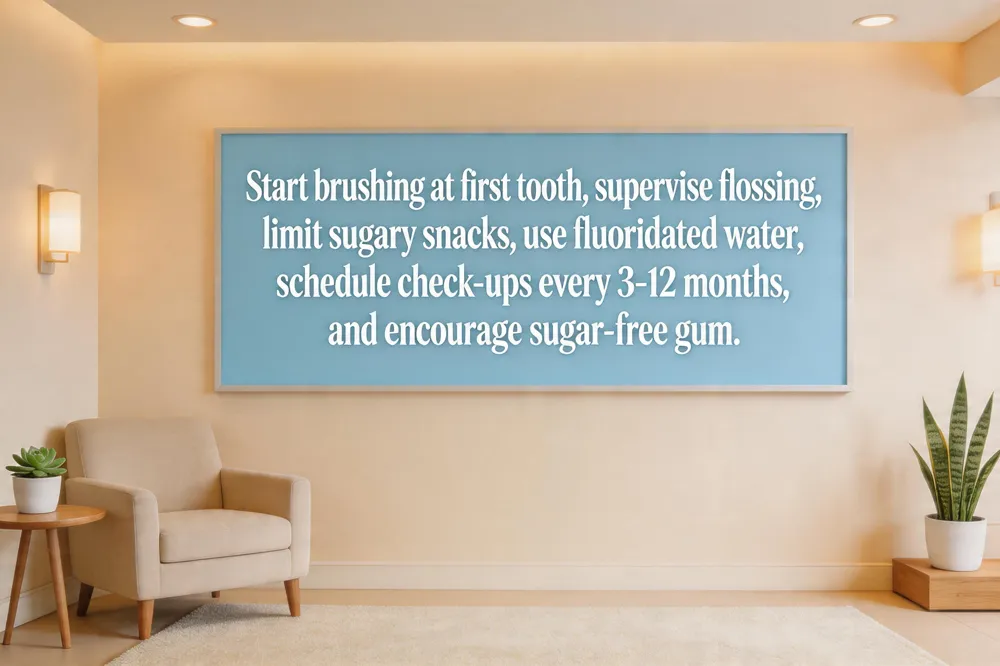 Age‑appropriate brushing and flossing: Start brushing at the first tooth with a soft‑bristled brush and a pea‑sized amount of fluoride toothpaste; Brush twice daily for two minutes, using a gentle circular motion and a 45‑degree angle toward the gum line. Supervise Floss daily once two teeth touch—use flossers or interdental brushes for younger children until they can handle traditional floss.
Nutrition and habit formation: Limit sugary snacks and drinks, especially before bedtime, and offer cheese, yogurt, raw vegetables, or fruit instead. Keep fluoridated water on hand to rinse after acidic foods and encourage sugar‑free gum when brushing isn’t possible.
Preventive professional care: Schedule dental check‑ups every 3–12 months; ask about fluoride varnish, sealants, and the ADA Seal of Acceptance on products. Promptly address any pain, bleeding gums, or changes in the mouth.
10 ways to take care of your teeth for kids
- Brush twice daily with a soft‑bristled toothbrush and pea‑sized fluoride toothpaste; include the tongue.
- Floss daily or use age‑appropriate flossers; supervise.
- Limit sugary snacks and drinks; offer healthier snacks.
- Avoid nighttime bottles with sweet liquids; clean gums with a damp cloth after feedings.
- Attend regular dental visits (3–12 months) for fluoride varnish, sealants, and early problem detection.
Oral health tips for adults Maintain twice‑daily brushing with fluoride toothpaste and nightly flossing. Reduce sugary intake, stay hydrated with fluoridated water, and chew sugar‑free gum to boost saliva. Visit the dentist at least yearly for cleaning and oral cancer screening. Quit tobacco, moderate alcohol, and manage chronic conditions like diabetes to protect gums and teeth.
Natural Boosts: Oil Pulling and Holistic Choices
 How to take care of teeth naturally
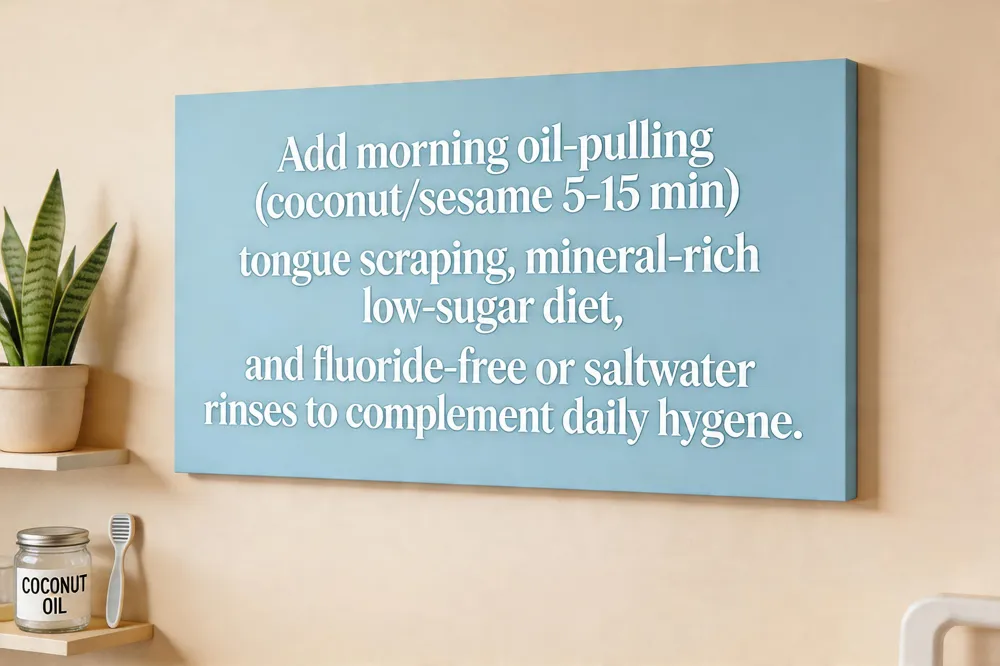
Caring for your teeth naturally starts with a solid daily oral‑hygiene routine: brush twice a day with a soft‑bristle brush using gentle circular motions, floss or use a water‑flosser daily, and rinse your tongue to remove bacteria. Incorporate oil‑pulling with coconut or sesame oil for 15‑20 minutes each morning to help reduce plaque and support gum health. Eat a mineral‑rich, low‑sugar diet that includes organic leafy greens, grass‑fed meats, dairy, bone broth, and foods high in vitamins A, D, E, and K2 to promote remineralisation of enamel. Avoid frequent carb‑rich snacks and refined sugars, which feed harmful oral bacteria that produce acid. Stay well hydrated and consider a fluoride‑free mouth rinse or natural saltwater rinse to keep the mouth balanced without harsh chemicals.
How to take care of teeth naturally
Caring for your teeth naturally starts with a solid daily oral‑hygiene routine: brush twice a day with a soft‑bristle brush using gentle circular motions, floss or use a water‑flosser daily, and rinse your tongue to remove bacteria. Incorporate oil‑pulling with coconut or sesame oil for 15‑20 minutes each morning to help reduce plaque and support gum health. Eat a mineral‑rich, low‑sugar diet that includes organic leafy greens, grass‑fed meats, dairy, bone broth, and foods high in vitamins A, D, E, and K2 to promote remineralisation of enamel. Avoid frequent carb‑rich snacks and refined sugars, which feed harmful oral bacteria that produce acid. Stay well hydrated and consider a fluoride‑free mouth rinse or natural saltwater rinse to keep the mouth balanced without harsh chemicals.
Oral hygiene routine order with oil pulling Begin the morning by scraping your tongue scraper with a metal scraper to clear overnight bacterial buildup. Next, perform oil pulling—swish a tablespoon of coconut oil for 5–15 minutes on an empty stomach, then spit it into a trash can and rinse thoroughly with water. After rinsing, floss to remove debris from between the teeth before any brushing. Follow flossing with a fluoride toothpaste and a gentle brushing motion, covering all surfaces for two minutes. Finish the routine with an alcohol‑free mouthwash if desired, and then hydrate with a glass of water to complete a comprehensive oral‑hygiene sequence.
Addressing Everyday Concerns and Myths
 Intimate contact and gum disease: Yes—you can kiss your boyfriend with gingivitis. The bacteria that cause gum inflammation travel in saliva, so repeated kissing while one partner has bleeding or swollen gums can increase the other’s risk of developing gingivitis. The best protection is diligent oral‑hygiene for both people: brush twice daily with a soft‑bristled brush and fluoride toothpaste, floss every day, and finish with an alcohol‑free antibacterial mouthwash. If either partner shows signs of gum inflammation, schedule a professional cleaning and check‑up promptly.
Dental pain management rules: The 3‑3‑3 rule is a simple over‑the‑counter guideline for managing post‑procedure or inflammatory dental pain. It recommends taking three 200‑mg ibuprofen tablets, spaced three hours apart, for no more than three days. This regimen helps control inflammation—the primary source of most dental discomfort—while minimizing the risk of over‑medication. Always follow your dentist’s advice and avoid using this protocol if you have contraindications.
Economic insights for dental practices: The 80/20 rule in dentistry reflects that roughly 80 percent of a practice’s revenue comes from 20 percent of its patients—those who accept higher‑level treatments and regular preventive care. Focusing on retaining and educating this core group through personalized preventive plans, routine cleanings, and clear communication about the benefits of oral health can sustain practice growth while improving patient outcomes.
Putting It All Together: A Lifelong Commitment
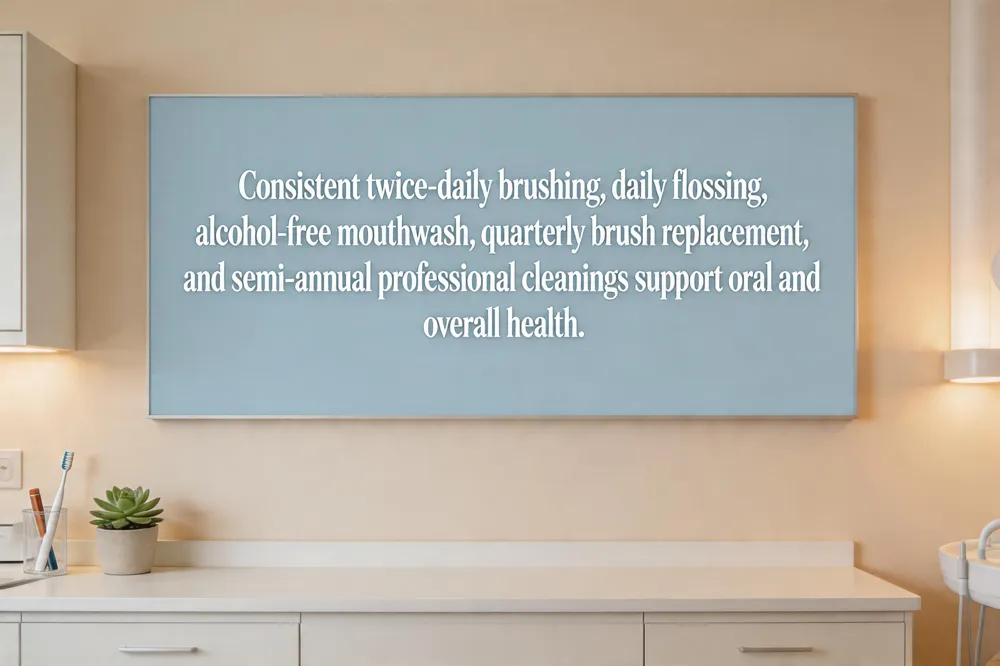 A solid, long‑term oral‑care plan starts with daily habits that keep plaque at bay and make professional cleanings smoother. Brush twice a day for at least two minutes with a soft‑bristled (or electric) toothbrush and fluoride toothpaste, angling the bristles 45° toward the gum line. Floss or use interdental brushes every day to disrupt biofilm in spaces a brush can’t reach, and finish with an alcohol‑free antibacterial or fluoride mouthwash to lower bacterial load. Replace your toothbrush or brush head every three to four months and stay hydrated to support saliva’s natural cleaning action.
Why does this matter beyond a bright smile? Consistent oral hygiene reduces the risk of systemic conditions linked to oral bacteria—cardiovascular disease, stroke, diabetes complications, and even adverse pregnancy outcomes. By keeping inflammation low, you protect both your mouth and your overall health.
Loud Family Dental in Shreveport makes it easy to stay on track. The clinic offers semi‑annual professional cleanings that remove hardened tartar, early‑stage decay, and gum disease before they become costly problems. They also provide personalized counseling, fluoride varnish, and ADA‑approved products to match your unique risk profile. For patients needing extra support, the office can connect you with community resources such as smoking‑cessation programs, nutrition counseling, and local water‑fluoridation initiatives—each a step toward a healthier mouth and a healthier life.
Your Path to a Cleaner, Healthier Smile
Maintaining a healthy smile starts with five simple habits: brush twice a day for two minutes with a soft‑bristled, fluoride‑containing toothbrush, floss daily to clear the spaces your brush can’t reach, rinse with an alcohol‑free antibacterial mouthwash, clean your tongue or use a scraper, and keep your dental appointments every six months (or more often if you’re at higher risk). Together these practices remove the majority of plaque before it hardens into tartar, so when you come to Loud Family Dental the hygienist spends less time scaling and more time polishing and applying fluoride, resulting in a smoother, brighter finish and fewer follow‑up procedures. Ready to experience a cleaner, healthier smile? Call us today to schedule your next cleaning and personalized oral‑care plan.