Why Daily Dental Hygiene Matters
Importance of Daily Oral Hygiene
Maintaining a daily dental hygiene routine is essential for a healthy mouth. Brushing at least twice a day with fluoride toothpaste helps remove plaque, a sticky film of bacteria that causes tooth decay and gum disease. Flossing daily is crucial to clean between teeth where brushing can’t reach, preventing plaque buildup and gum inflammation. Cleaning the tongue regularly also reduces bacteria that cause bad breath.
Connection Between Daily Care and Dentist Visits
Daily hygiene practices complement regular dental visits, which are recommended approximately every six months. These visits enable early detection of potential problems like cavities or gum disease that may not be noticed at home. Consistent at-home care reduces the risk of needing complex treatments and allows dental professionals to focus on maintaining overall oral health.
Overview of Oral Health Benefits
Good daily dental hygiene offers several benefits, including healthier teeth and gums, fresher breath, and a more attractive smile. Importantly, it helps lower the risk of serious health conditions linked to oral infections, such as heart disease, stroke, and diabetes. Preventive care through routine brushing, flossing, and dental check-ups is both effective and cost-efficient in protecting your smile and overall well-being.
Effective Brushing Techniques for Optimal Oral Health

What are the recommended brushing practices for effective oral hygiene?
Proper brushing techniques are essential for maintaining healthy teeth and gums. It is recommended to brush teeth twice daily, ideally for about two minutes each time. Using a soft-bristled toothbrush with fluoride toothpaste significantly boosts dental health by strengthening enamel and preventing cavities.
What type of toothbrush and brushing angle should be used?
Select a toothbrush with a small head and soft bristles. The toothbrush should be held at a 45-degree angle to the gums. This angle allows the bristles to clean both the teeth and the gum line effectively. Gentle, circular motions are advised rather than harsh scrubbing to avoid gum damage while thoroughly removing plaque.
Why is fluoride toothpaste important?
Fluoride toothpaste helps strengthen tooth enamel, making your teeth more resistant to decay. It also assists in repairing early stages of tooth decay before it progresses. Toothpaste with at least 1,350 ppm fluoride is recommended for adults, while children should use a suitable concentration for their age.
Why should the tongue be cleaned?
Brushing the tongue benefits help remove bacteria that linger on its surface, which are often the cause of bad breath and can contribute to oral infections. Regular tongue cleaning complements brushing and flossing, leading to fresher breath and improved overall oral hygiene.
Incorporating these effective brushing techniques into your daily routine will provide a solid foundation for a healthy mouth and a confident smile.
The Crucial Role of Daily Flossing and Interdental Cleaning

Why is daily flossing necessary alongside brushing?
Daily flossing is essential because brushing teeth twice daily alone cannot reach the tight spaces between teeth where plaque and food particles tend to accumulate. These areas are prime spots for the development of cavities and gum disease. Using about 18 inches of floss each day ensures that plaque is effectively removed from these interdental spaces. This helps prevent gingivitis and supports overall gum health.
How does flossing complement brushing?
Brushing cleans the surfaces of the teeth and along the gumline, but flossing daily importance targets the areas in between the teeth that a toothbrush cannot access. Together, flossing and brushing provide a comprehensive cleaning routine, reducing plaque buildup and lowering the risk of oral diseases such as cavities and periodontal disease.
What alternative interdental cleaning methods are available?
For those who find traditional flossing challenging, alternative methods such as using interdental brushes, water flossers, and floss holders can be effective. These tools help remove plaque and food debris between teeth, promoting healthier gums and fresher breath.
What is the optimal flossing technique and length?
The recommended floss length is approximately 18 inches to provide a clean section of floss for each interdental space. Proper technique involves gently sliding the floss up and down between each tooth and curving it around the base of each tooth to clean below the gumline without causing injury. Consistent daily practice ensures maximum benefits for oral health.
Selecting Safe and Effective Oral Care Products

How can patients choose effective and safe dental hygiene products?
Selecting dental hygiene products that are both effective and safe is essential for maintaining optimal oral health. One of the most reliable ways to make this choice is by looking for products that carry the American Dental Association Seal of Acceptance. This seal assures consumers that the product has been rigorously tested for safety and efficacy.
When choosing toothpaste, opt for Using fluoride toothpaste as it strengthens tooth enamel and helps prevent cavities. Adults should select toothpaste containing at least 1,350 parts per million (ppm) fluoride, while children should use formulations suited to their age.
For mouthwashes, Alcohol-free mouthwash advantages are recommended. These reduce harmful bacteria and plaque without causing dryness in the mouth, which can be a side effect of alcohol-based rinses.
Toothbrushes should have several key features for best results. Look for brushes with small heads to reach all areas of the mouth easily and Soft-bristled toothbrush benefits to protect gums while effectively cleaning the teeth.
Choosing ADA Seal-of-Acceptance products with the right fluoride content and gentle yet effective components can significantly support daily oral hygiene routines, contributing to healthier teeth and gums.
Integrating Preventive Oral Health with Regular Dental Visits

How often should patients visit the dentist, and why?
Routine professional dental exams] are generally recommended Dental checkups every six months] for most individuals. This frequency allows dental professionals to maintain optimal oral health, perform essential cleanings, and identify early signs of cavities, gum disease, or other dental concerns before they progress.
Professional Dental cleanings for oral health] play a critical role in removing plaque and tartar buildup that daily brushing and flossing cannot fully address. These cleanings help prevent gum disease, cavities, and other oral health complications.
Early detection of dental issues during these visits not only allows for minimally invasive treatments but also reduces the risk of serious problems such as tooth loss or systemic illnesses linked to oral infections. Conditions like heart disease, stroke, and diabetes have connections to oral health, underscoring the importance of timely intervention. See more about Oral hygiene and systemic health].
Personalized dental care plans are tailored to each patient’s unique needs. Factors such as susceptibility to cavities, gum disease history, or systemic health conditions can influence the frequency of visits. For example, those with higher risk may benefit from more frequent appointments.
In Shreveport and beyond, Personalized dental care in Shreveport], ensuring patients receive care suited to their oral and overall health. Incorporating these Regular dental checkups] with diligent home Oral hygiene best practices] creates a solid foundation for lifelong dental wellness.
Lifestyle Factors Influencing Oral and Systemic Health
How Does Tobacco Use Impact Oral Health?
Avoiding tobacco for oral health is essential for maintaining good oral health. Smoking significantly raises the risk of preventing gum disease and oral cancer, impairing the mouth’s ability to heal and increasing the chance of severe dental issues. In Louisiana, where tobacco use is a concern, quitting smoking is a vital step to protect both oral-systemic health connection.
How Are Oral Hygiene and Systemic Diseases Connected?
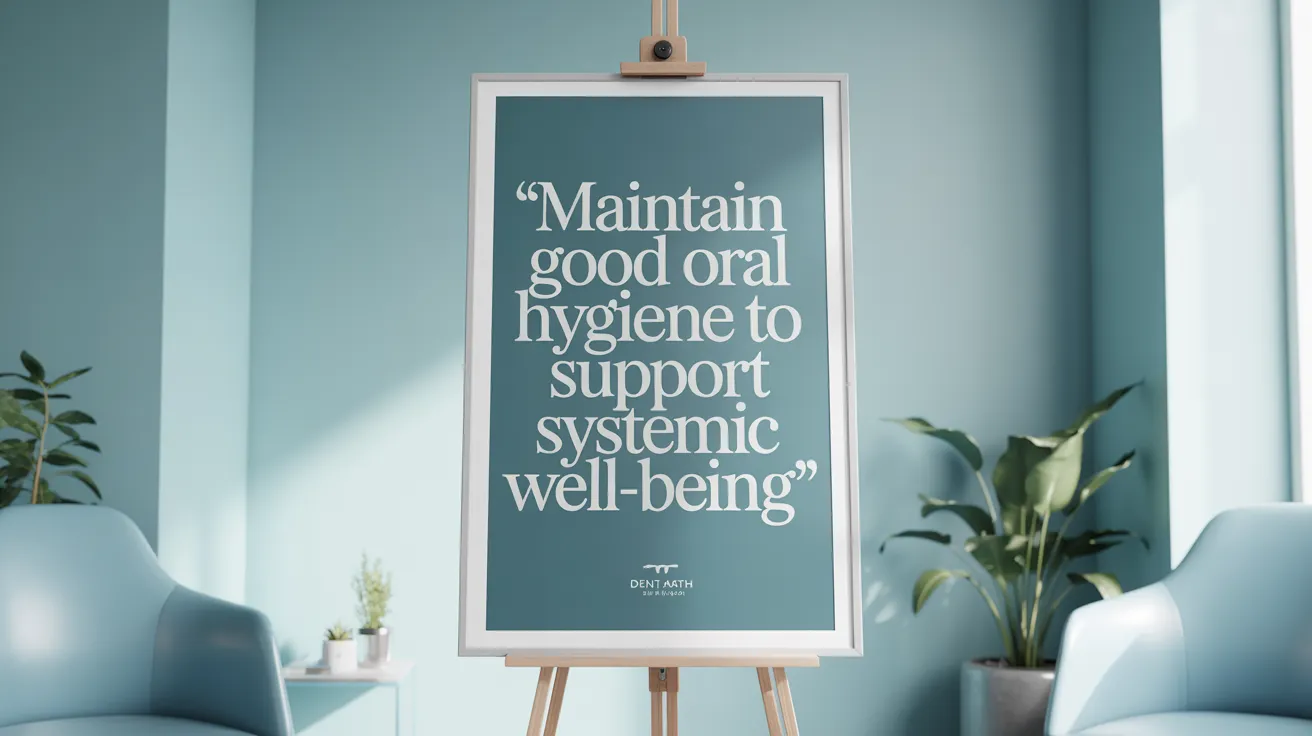
Maintaining proper oral hygiene techniques isn’t just about a healthy smile—it also reduces risks of systemic diseases such as heart disease, stroke, and diabetes. Regular brushing, flossing, and professional dental care help lower harmful bacteria that can enter the bloodstream, affecting other parts of the body. Good oral care supports pregnancy health by reducing gum inflammation that can lead to complications.
What Role Does Diet Play in Oral Health?
Diet greatly influences oral health. Limiting sugary foods and drinks helps prevent cavities by reducing the fuel that harmful bacteria need to produce tooth-damaging acids. A balanced diet rich in vitamins supports strong teeth and gum tissue.
How Can Dry Mouth and Special Needs Be Managed?
Dry mouth, often a side effect of certain medications or aging, increases the risk of decay and gum disease. Staying hydrated, avoiding tobacco for oral health and alcohol, and practicing diligent oral hygiene are important. Special tools like floss holders or water flossers can assist individuals who find regular flossing difficult, especially older adults or those with arthritis.
In summary, lifestyle choices such as avoiding tobacco, eating a healthy diet, managing dry mouth, and maintaining Oral hygiene best practices play a crucial part in supporting both oral and systemic health.
Community-Oriented Dental Care in Shreveport: Supporting Your Oral Health Journey
How do community dental clinics in Shreveport support ongoing oral health maintenance?
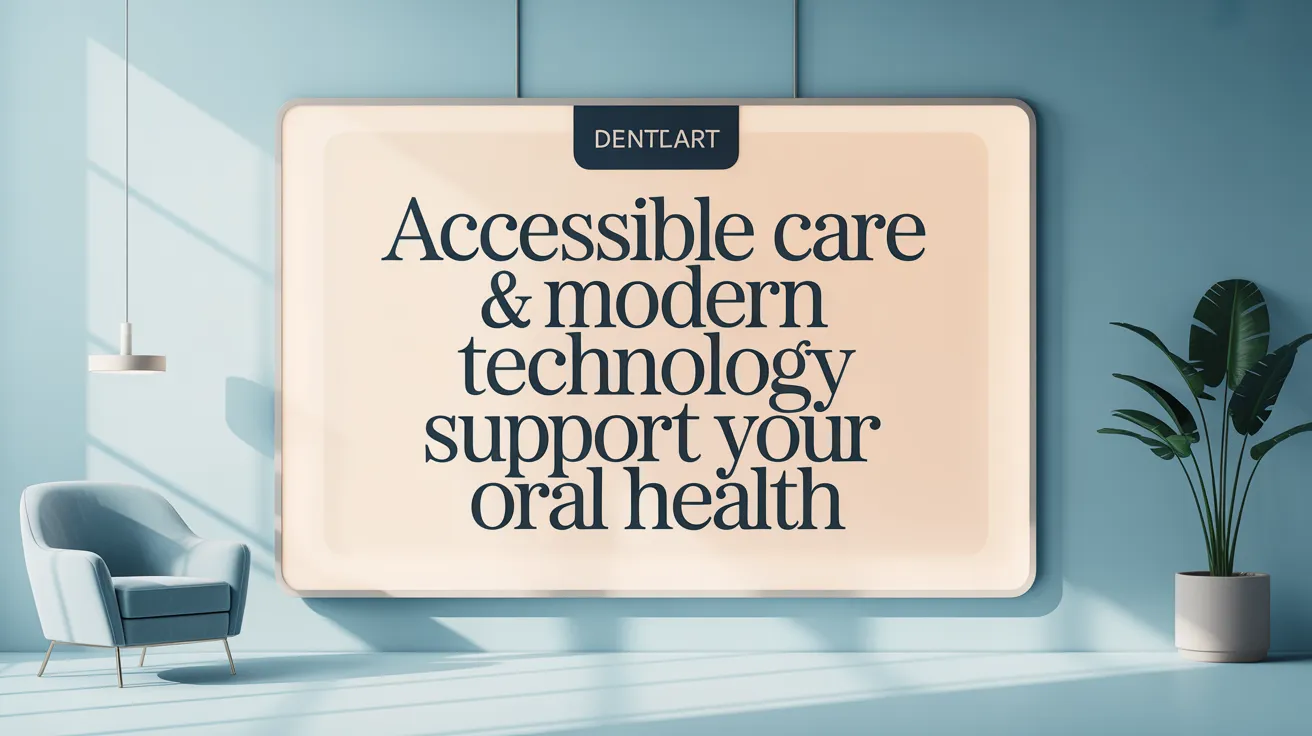
Community dental clinics in Shreveport play a vital role in supporting residents' oral health by offering a wide array of comprehensive dental services. Clinics like Loud Family Dental provide routine cleanings, fillings, root canals, crowns, implants, teeth whitening, and Invisalign. This broad service range ensures that patients receive both preventive and restorative care in one place.
These clinics employ modern dental technology such as digital X-rays, soft tissue lasers, and advanced diagnostic tools like VELscope, enabling accurate diagnosis and more efficient treatments. This technology enhances patient comfort and treatment outcomes, reflecting a commitment to high-quality care.
Patient-centered approaches include culturally sensitive services, such as Spanish-speaking staff at Loud Family Dental, which help bridge communication gaps and tailor treatment plans to diverse community members.
Moreover, clinics prioritize accessibility and flexibility, offering same-day appointments and accepting most major insurance plans, making urgent and routine care more available. Facilities like Smile Dental Center in Shreveport and Boyd Family Dentistry Shreveport emphasize patient comfort and family-friendly environments, welcoming new patients of all ages.
Through comprehensive care, modern technology, cultural sensitivity, and flexible scheduling, Shreveport’s community dental clinics actively promote oral hygiene best practices and early intervention for dental issues, supporting the well-being of their local populations.
Maintaining a Healthy Smile Through Daily Care and Professional Support
Essential Daily Oral Hygiene Practices
Brushing your teeth twice daily with fluoride toothpaste is the cornerstone of healthy teeth and gums. Hold your soft-bristled brush at a 45-degree angle to the gums, gently moving in circular motions to clean all surfaces of your teeth. Don't forget to clean your tongue to reduce bacteria and keep your breath fresh.
Flossing once a day is crucial as it reaches between teeth where brushing can’t, preventing plaque buildup and gum disease. Using an alcohol-free antibacterial mouthwash can further help control bacteria and plaque.
Regular Dental Visits
Routine dental checkups every six months allow for early detection of problems and professional cleaning that removes hardened plaque (tartar) beyond home care capabilities. Some individuals may require more frequent visits, especially those prone to cavities or gum disease.
Consistency is Key
Combining daily home care with regular professional checkups offers comprehensive protection, helping prevent serious oral health issues and systemic diseases linked to poor dental hygiene. Staying consistent with these habits promotes a healthy smile and overall wellness for years to come.