Why Mastering At-Home Dental Hygiene Matters
The Importance of Daily Oral Hygiene
Maintaining daily oral hygiene by brushing twice a day and flossing once daily is essential to remove plaque and prevent cavities and gum disease. Brushing for at least two minutes with fluoride toothpaste strengthens enamel and fights decay effectively. Cleaning between teeth with floss or interdental brushes eliminates plaque that toothbrushes cannot reach, reducing the risk of periodontitis.
Effects on Overall Health and Quality of Life
Good oral care contributes to fresher breath, a confident smile, and less need for complex dental treatments. It also helps avoid tooth pain, gum inflammation, and tooth loss, enhancing comfort and functionality in daily life. Proper oral hygiene routines promote healthier gums and teeth, thus improving overall wellbeing.
Connection Between Oral and Systemic Health
Oral health is closely linked to systemic conditions such as heart disease, stroke, diabetes, and pregnancy outcomes. Poor hygiene and gum disease can increase risks for these illnesses. Conversely, healthy teeth and gums can support better management of chronic diseases and reduce the chance of serious health complications. Therefore, mastering at-home dental hygiene is vital not only for your smile but also for your overall health.
Essential Practices for Maintaining Optimal Oral Health
What are essential dental hygiene practices for maintaining oral health?
Maintaining optimal oral health begins with consistent and effective at-home dental care. Brushing teeth twice a day with fluoride toothpaste is fundamental. Fluoride helps strengthen tooth enamel and fight decay. It's best to use a soft-bristled toothbrush and brush gently in small circular motions. Positioning the toothbrush at a 45-degree angle toward the gumline helps sweep away plaque and bacteria that cause gum disease.
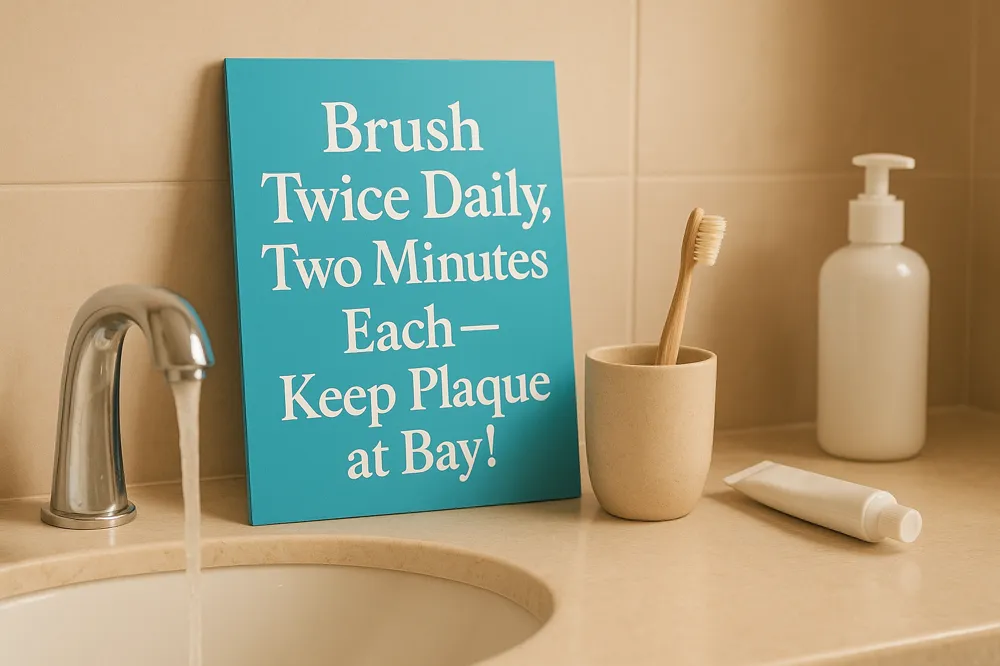
Brushing duration importance — brushing for at least two minutes each session — is crucial, as shorter durations are less effective at plaque removal. Including the tongue in your brushing routine helps reduce bacteria that cause bad breath.
Daily cleaning between teeth is equally important because toothbrushes can't reach these spaces well. Interdental cleaning devices like flossing or using interdental brushes remove plaque and food particles, significantly lowering the risk of gum inflammation, cavities, and Periodontitis.
A Healthy diet and dental health supports dental health by limiting the fuel bacteria use to produce harmful acids. Drinking fluoridated water further protects teeth throughout the day.
In addition to regular home care, Regular dental visits for professional cleanings and examinations at least twice a year allows early detection and treatment of dental issues. Professionals can remove hardened plaque (tartar) and provide personalized advice based on your risk profile.
Avoiding tobacco products is essential, as Effects of smoking and tobacco contribute to gum disease, enamel erosion, and oral cancers.
Combining these practices—Oral hygiene best practices, Healthy diet and dental health, fluoride use, regular dental visits, and tobacco avoidance—forms an effective strategy for keeping teeth and gums healthy throughout life.
Common At-Home Oral Hygiene Mistakes and How to Fix Them
Overbrushing and Using Hard Toothbrushes
Brushing with too much force or using a hard toothbrush damage can damage enamel and irritate gums. This might lead to gum recession, sensitivity, and even enamel erosion. The solution is to use a soft-bristled toothbrush and gentle circular motions instead of vigorous scrubbing. Dentists recommend replacing hard brushes with soft ones to protect enamel and gum tissue.
Inadequate Brushing Duration and Technique
Brushing for less than two minutes or rushing through your routine reduces its effectiveness. Scientific evidence supports Brushing teeth twice a day for two full minutes to thoroughly remove plaque and reduce risk of cavities and gum disease. Using a 45-degree angle brushing technique and gentle circular strokes ensures that all tooth surfaces and the gumline are cleaned properly.
Neglecting Interdental Cleaning
Toothbrushes cannot reach all the spaces between teeth. Failing to floss or use interdental cleaning devices allows plaque and bacteria to accumulate, increasing the risk of cavities and Periodontitis. Daily flossing—using about 18 inches of dental floss, molded in a 'C' shape around each tooth—cleans these hard-to-reach areas effectively. For some people, interdental brushes or oral irrigators can be good alternatives.
Brushing Immediately After Acidic Meals
Eating or drinking acidic foods or beverages softens tooth enamel temporarily. Brushing right after can cause enamel wear. It's best to wait at least 30 minutes before brushing after consuming such items. In the meantime, rinsing your mouth with water or mouthwash helps neutralize acids and protect enamel.
Delaying Toothbrush Replacement
Worn or frayed toothbrush bristles are less effective at cleaning and can harbor bacteria. Experts recommend replace toothbrush every 3 to 4 months or sooner if the bristles are visibly worn. Regular replacement supports optimal plaque removal and oral health.
What Are Common Mistakes Dentists Make, and How Can You Avoid Them?
Although rare, dentists sometimes misdiagnose conditions like early tooth decay or gum disease or perform unnecessary procedures. Patients can help avoid these errors by asking questions, seeking second opinions if uncertain, and ensuring their dentist uses appropriate diagnostic tools such as X-rays. Maintaining good oral hygiene habits—including limiting sugary foods, flossing daily, and rinsing after meals—also reduces the chance of dental problems requiring complex procedures.
These practical steps empower you to fix common at-home oral hygiene mistakes and work effectively with your dental care provider for lasting oral health.
Effective Techniques to Prevent Gum Disease at Home
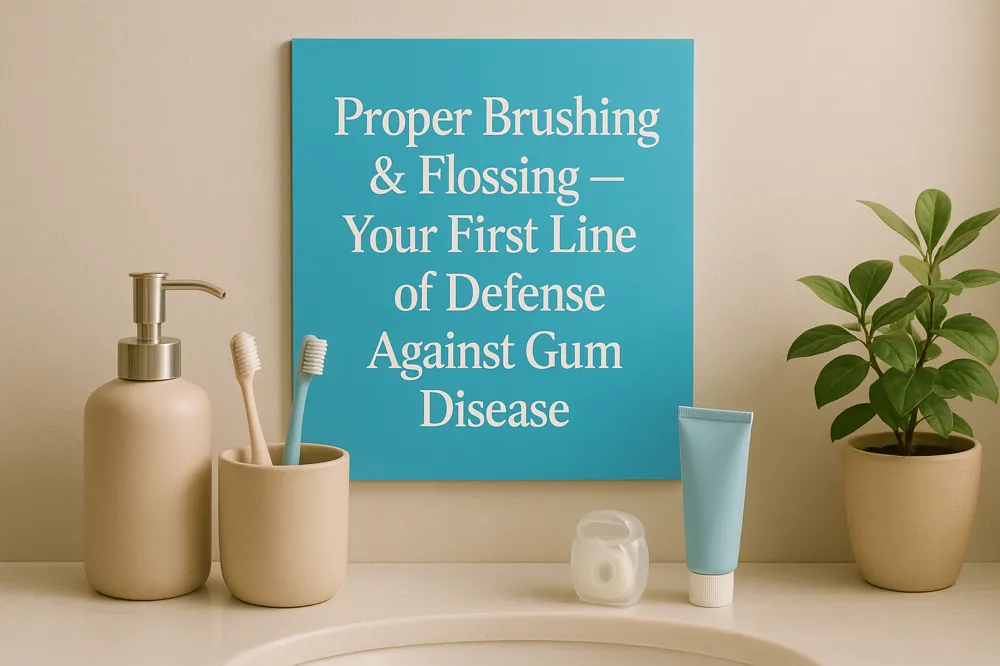
How can you take better care of your teeth at home to prevent gum disease?
Proper oral hygiene best practices are essential in preventing gum disease and maintaining healthy gums. [Brushing teeth twice a day](https://www.ada.org/resources/ada-library/oral-health-topics/home-care) with fluoride toothpaste for at least two minutes helps remove plaque buildup effectively. Use a soft-bristled toothbrush held at a 45-degree angle brushing technique toward the gums and employ gentle circular motions to clean along the gumline without causing irritation or enamel damage.
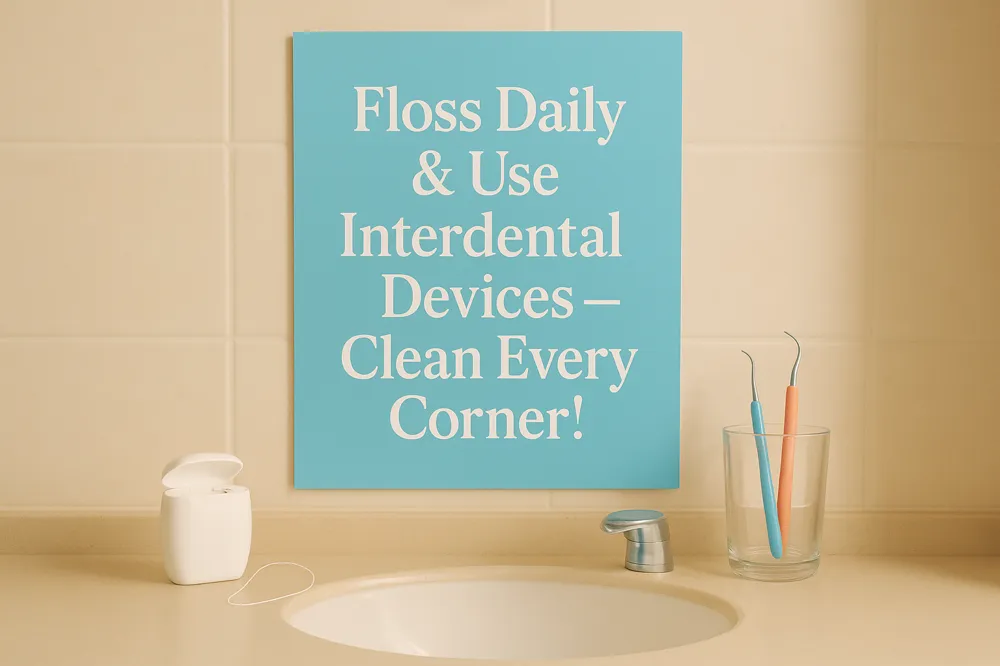
Flossing daily is equally important to clean the areas between teeth where a toothbrush cannot reach. Using about 18 inches of floss, curve it into a “C” shape around each tooth and glide the floss up and down to remove plaque and food debris.
Interdental cleaning devices such as floss picks, interdental brushes, or oral irrigators can be tailored to individual needs, especially for patients with limited manual dexterity or orthodontic appliances. These tools help reduce the risk of Periodontitis by effectively removing bacterial plaque beneath the gum line.
Avoid tobacco products including cigarettes and smokeless tobacco, as smoking significantly increases the risk of gum inflammation, tissue damage, and oral cancers. Limiting alcohol consumption and avoiding oral piercings also contribute to gum health.
A healthy diet low in sugars and rich in fruits, vegetables, and water supports saliva production and overall oral environment, reducing decay and gum disease risk. Staying hydrated helps preventing dry mouth, which can exacerbate plaque buildup and gum irritation.
Recognizing early signs of gum problems—such as bleeding gums, swelling, persistent bad breath, or gum recession—is vital. Prompt consultation with dental professionals ensures early intervention, preventing progression to more severe periodontal disease.
Regular dental visits for professional cleaning and risk assessment complement daily home care to maintain gum health and prevent complications. Good oral hygiene not only preserves your smile but may also reduce systemic health risks related to gum disease, including cardiovascular issues and cognitive decline.
How to Choose and Maintain Your Oral Hygiene Tools
Selecting a Soft-Bristled Toothbrush
Choosing a soft-bristled toothbrush is essential for protecting your gums and tooth enamel. Soft bristles clean effectively without causing irritation or damage, unlike hard-bristled brushes which can lead to gum recession and enamel wear.
Replacing Toothbrushes Every 3-4 Months
It’s important to replace your toothbrush every three to four months or sooner if the bristles become frayed. Worn bristles clean less effectively and harbor bacteria, reducing oral hygiene efficacy and potentially increasing risk for gum disease.
Using Floss Correctly with Appropriate Technique
Daily flossing is crucial for removing plaque and debris from areas your toothbrush can’t reach, like between teeth and under the gumline. Wrap about 18 inches of floss around your middle fingers, form a 'C' shape against each tooth, and use 10 gentle up-and-down strokes to clean thoroughly without harming your gums.
Role of Powered Toothbrushes and Mouth Rinses
Powered toothbrushes are as effective as manual ones, especially beneficial for people with limited dexterity. They often feature timers to help reach the recommended two-minute brushing time. Antimicrobial mouth rinses containing essential oils or fluoride can supplement brushing and flossing by reducing harmful bacteria and freshening breath when used as directed.
Safe Product Choices Including ADA Seal of Acceptance
Choosing oral care products that carry the American Dental Association (ADA) Seal of Acceptance ensures they meet safety and efficacy standards. This applies to toothpastes, floss, mouthwashes, and toothbrushes, providing peace of mind and reliable protection for your oral health.
The Importance of Professional Dental Care and Avoiding At-Home Pitfalls
Why Are Routine Dental Visits and Cleanings Essential?
[Regular dental checkups], ideally twice a year, are crucial for maintaining oral health. These visits allow dentists to remove plaque and tartar that brushing and flossing cannot eliminate at home. [Professional cleanings] reduce the risk of cavities, gum disease, and enable early detection of oral issues such as tooth decay, cracks, or early signs of gum problems. Early diagnosis often means less invasive and more cost-effective treatments.
How Does Early Detection Improve Dental Outcomes?
By visiting your dentist regularly, small problems can be identified before they develop into serious conditions. For example, early-stage cavities or gum inflammation can be treated quickly, preventing tooth loss or extensive procedures later. Early intervention also helps manage risks related to systemic conditions linked with gum disease, such as heart disease and diabetes ([Oral health and overall health]).
What Are the Risks of DIY Orthodontics and Oral Piercings?
Attempting to straighten teeth using household items or engaging in do-it-yourself orthodontic treatments carries a high risk of permanent damage to teeth and gums. Similarly, oral piercings can cause tooth fractures, excessive wear, and gum recession. Such practices should be avoided and managed only by dental professionals to prevent long-term harm ([Risks of DIY orthodontic treatments]).
Can Mouthwash Replace Brushing and Flossing?
Mouthwash serves as a helpful supplement to oral hygiene but should never replace brushing and flossing. Antibacterial and fluoride-containing mouth rinses reduce harmful bacteria and strengthen enamel but do not physically remove plaque. Using [alcohol-free mouthwash] can also prevent dry mouth, supporting overall mouth health.
Why Is Avoiding Tobacco and Harmful Habits Important?
Tobacco use, including smoking and smokeless tobacco, significantly increases the risk of gum disease, enamel erosion, staining, and oral cancers. Avoiding these habits is vital for protecting your oral and overall health. Dental professionals strongly advise cessation programs and warn against unprofessional oral modifications ([Tobacco use and oral health risks]).
Incorporating professional dental care alongside consistent home routines ensures a healthier smile and prevents costly, complex treatments down the road.
Building a Consistent and Effective Oral Hygiene Routine
Essential Habits to Avoid Common Oral Hygiene Mistakes
Brushing your teeth twice daily for two minutes using a soft-bristled toothbrush and fluoride toothpaste is foundational. Floss daily to remove plaque and debris from areas your brush cannot reach. Replace your toothbrush every 3 to 4 months to maintain its effectiveness. Avoid brushing immediately after acidic meals to protect enamel. Use gentle circular motions and clean your tongue to reduce bacteria.
Benefits of Following Proper Practices
Consistent adherence prevents cavities, gingivitis, and periodontal disease. It also supports fresher breath and a brighter smile. Proper oral care reduces the need for complicated dental procedures and lowers risks of systemic conditions like heart disease and diabetes.
Importance of Regular Dental Visits
Seeing a dentist regularly allows for professional cleanings and early detection of issues, making treatments simpler and more effective. Personalized care plans can address individual risks, enhancing prevention.
Positive Impact on Overall Health
Good oral hygiene promotes not only dental health but also overall well-being by reducing chronic inflammation and infections linked with systemic diseases. Establishing these habits improves quality of life through better health and confidence.