Why Comfort and Fun Matter in Pediatric Dental Visits
Creating a Comfortable Environment Helps Reduce Anxiety
Pediatric dental visits can be intimidating for children, but a welcoming and fun atmosphere makes a big difference. Bright colors, kid-sized furniture, and playful activities can ease fears and help children feel safe.
Early Positive Experiences Set a Foundation
Visiting the dentist early, ideally by the first birthday, helps children become familiar with the process and less fearful over time. Playing dentist at home or reading storybooks about dental visits prepares children emotionally and encourages cooperation.
Encouraging Healthy Habits for Life
Comfortable visits and positive reinforcement such as praise or small rewards foster good oral hygiene habits. Children who enjoy their dental visits are more likely to maintain regular checkups and develop lifelong healthy smiles.
Dental Care for Children - Key Facts
- Scheduling a child's first dental visit by their first birthday helps establish trust and reduce anxiety.
- Child-friendly dental environments use bright colors, playful decor, and kid-sized furniture to make visits welcoming.
- Using positive language and storytelling makes dental visits less scary and more fun for children.
- Allowing children to choose their toothbrushes and use engaging routines encourages positive oral health habits.
- Parents can prepare children for dental visits through role-playing, familiarization visits, and simple explanations.
- Scheduling appointments during well-rested times helps children stay comfortable and cooperative.
- Bringing comfort items and parental support during visits can ease anxiety and reduce fears.
- Dental clinics use advanced technology, calming environments, and empathetic communication to ensure patient comfort.
- Family dental clinics provide convenience, continuity of care, and age-appropriate services for all family members.
- Strict hygiene standards, staff training, and regulatory compliance are essential professional standards in dental clinics.
1. Start Early with Friendly First Visits

Why is early dental care important for children?
Scheduling a child's first dental visit by their first birthday is highly recommended by early dental visits for children. This early introduction helps establish a trusting relationship between the child and the dentist, which is crucial for easing future visits.
By familiarizing young children with the dental environment at an early age, they become comfortable with the sights, sounds, and procedures involved. This familiarity significantly reduces fear and anxiety often associated with dental visits. See more on reducing dental anxiety in children.
Early dental care also helps normalize oral health practices. When regular visits are part of a child's routine from infancy, it encourages healthier habits like proper brushing and flossing that last a lifetime. This proactive approach aids in the prevention of dental problems and builds positive attitudes toward oral health. For tips on establishing oral health routines, visit this resource.
In summary, starting dental care early builds trust, reduces anxiety, and lays the foundation for lifelong dental health. For comprehensive guidance on preparing children for dental visits, check this article.
2. Choose a Child-Friendly Dental Environment
How can dental clinics create environments that reduce children's anxiety?
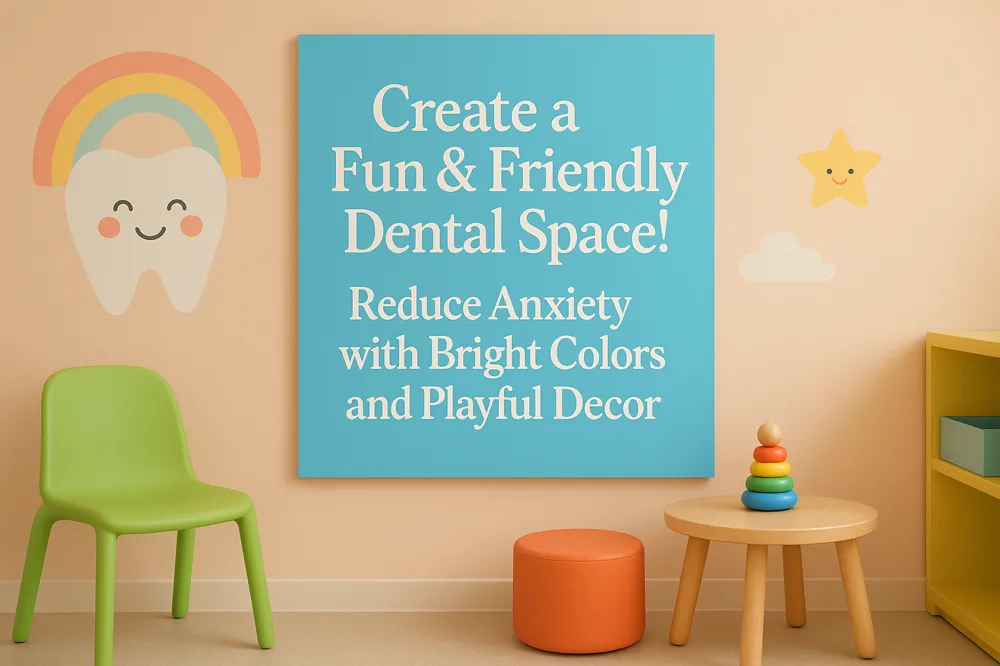
[Pediatric dental clinic design] play a crucial role in reducing children's anxiety by crafting spaces that feel welcoming and fun rather than intimidating. One effective approach is the use of bright, cheerful colors on walls and in decor, which creates a lively and inviting atmosphere that appeals to kids.
Selecting pediatric dentists with colorful, playful offices
[Choosing a pediatric dentist] often means encountering offices filled with playful wall art and themes that capture a child's imagination. These environments are designed to reduce fear by making dental visits seem like an exciting adventure rather than a chore.
Use of kid-sized furniture and engaging decor
Children's comfort is enhanced when furniture fits their size, allowing them to feel physically at ease. [Child-friendly dental office decor] with toys, books, and interactive games are common features that engage young patients while they wait, transforming any nervousness into curiosity and enjoyment.
Creating a welcoming and non-threatening atmosphere
Beyond decor, dental clinics strive to maintain a calming and friendly atmosphere. This includes [Effective communication with pediatric patients] staff trained to communicate gently, use positive language, and provide distractions such as cartoons or music during treatment. Such strategies help children feel safe, making visits smoother and more positive overall.
By thoughtfully combining colorful, child-friendly design in dental clinics] with empathetic [Supporting and Encouraging Kids During Dental Visits] care practices, dental clinics can effectively lower anxiety and encourage lifelong good oral health habits in children.
3. Use Positive Language and Storytelling
Explaining Dental Procedures in Simple, Cheerful Terms
Using straightforward, positive language tailored to a child's understanding helps demystify dental visits. By focusing on fun and comforting descriptions, children feel less anxious and more curious about what the dentist will do.
Avoiding Scary Words like 'Needle' or 'Pain'
Words associated with fear or discomfort can increase children's anxiety. Instead, using gentle phrases like "checking your smile" or "helping your teeth stay strong" encourages a more relaxed and positive mindset. For more strategies, see using positive language about dental visits.
Reading Children's Books or Watching Videos About the Dentist
Introducing children to dental visits through storybooks and child-friendly videos familiarizes them with the experience in a fun, non-threatening way. Titles featuring popular characters or playful stories can make the dentist feel like a friendly place, reducing fear and building excitement. Learn about children's books about dental visits.
How does positive language affect children's attitudes toward dental visits?
Using positive, child-friendly language and storytelling helps reduce fear and builds excitement, making children more comfortable and cooperative during dental visits. This approach supports a stress-free environment and fosters a lifelong positive attitude toward oral care. Explore more about using positive language with children at the dentist.
4. Involve Your Child in Oral Hygiene Choices
Letting children pick their toothbrushes and toothpaste flavors
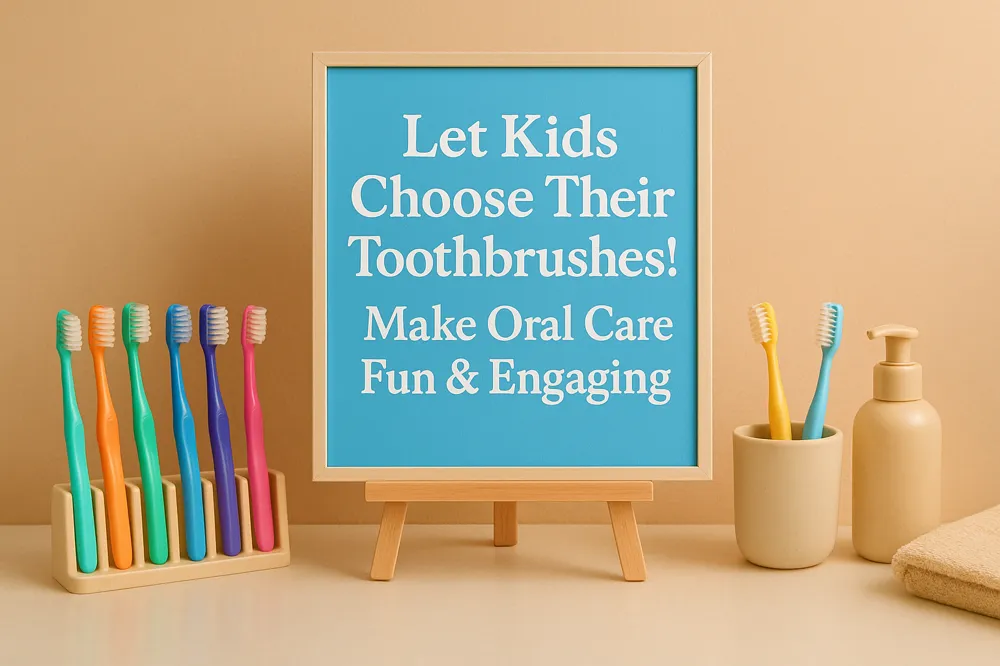
Allowing children to choose their own toothbrushes and toothpaste flavors can make oral hygiene feel like a fun, personal activity rather than a chore. Colorful toothbrushes featuring favorite characters and a variety of toothpaste flavors help kids develop enthusiasm for brushing. Getting children excited about dental care
Making brushing and flossing fun through games and music
Turning brushing and flossing into a game or a musical activity encourages kids to engage actively with their oral care routines. Using timers, brushing songs, or reward charts with stickers can transform these tasks into enjoyable rituals that children look forward to. engaging children in oral health routines
Encouraging a sense of control and involvement
When children are involved in decisions about their oral hygiene, such as selecting dental products or choosing the flavor of a fluoride treatment at the dentist, they feel a sense of control. This involvement reduces anxiety and fosters confidence, making dental visits and daily care less intimidating. children's participation in dental care
5. Prepare Through Role-Playing and Familiarization
How can parents prepare children for dental visits to reduce anxiety?
Parents can ease children's dental anxiety by practicing role-playing dental visits at home using mirrors and toy toothbrushes. This hands-on role-playing introduces kids to the sensations and steps involved, making the real experience less intimidating.
Explaining what will happen during appointments in simple, positive language helps children understand the process. Parents can describe the visit as a fun and gentle checkup, avoiding scary words and instead focusing on the excitement of learning about their teeth.
Visiting the dental office before the appointment further familiarizes children with the environment. Meeting staff, seeing the colorful scrubs for dentists, and exploring engaging waiting area for kids helps reduce fear of the unknown.
Together, these methods set clear and understandable expectations, transforming dental visits into predictable and comfortable experiences for kids.
6. Schedule Visits at Optimal Times
When is the best time to schedule pediatric dental appointments?
Scheduling dental visits during times when children are well-rested and not hungry is essential for a smooth and positive experience. Scheduling the appointment in the morning are often ideal since children usually wake up refreshed and cooperative. Avoiding scheduling visits near nap times or mealtimes helps prevent crankiness and discomfort that can make dental visits more stressful for kids.
By choosing optimal times, parents can help ensure their child feels comfortable and relaxed, which promotes better cooperation during the dental check-up. Well-timed visits also give children a chance to approach dental care with a calm mindset, fostering a positive attitude towards future appointments.
Ultimately, considering a child's natural routine helps transform dental visits into stress-free, manageable experiences that support lifelong oral health habits.
7. Bring Comfort Items and Encourage Parental Support
Allowing Children to Bring Toys or Blankets
Bringing a favorite toy, blanket, or stuffed animal to the dental visit can provide a tangible source of comfort for children. These familiar items help create a sense of security in an unfamiliar environment, easing anxiety and making the experience less intimidating. For more information, see Comfort Toys During Dental Visits.
Parents Staying Calm and Positive to Model Confidence
Children often pick up on their parents' emotions, so when parents maintain a calm and positive attitude about dental visits, it helps reduce their child’s fears. A relaxed parent models confidence, reassuring the child that the dental visit is safe and nothing to be afraid of. Learn more about Positive parental attitude towards dental visits.
Parents Sitting with Children During Procedures
Allowing parents to sit with their children during dental procedures can be soothing and encouraging. This presence provides emotional support and helps the child remain calm, leading to a more cooperative and stress-free visit. More tips are available at Parental presence during dental visits.
How Does Parental Involvement Impact a Child's Dental Visit?
Parental presence and a calm demeanor provide emotional security, helping children feel safe and less anxious during dental treatments. This involvement fosters trust and sets a tone of comfort, making dental visits a more positive experience that supports lifelong good oral health habits. For additional insights, see Parents' Role in Children's Dental Comfort.
8. Use Rewards and Positive Reinforcement
How do rewards influence children's attitudes toward dental care?
Offering praise, stickers, and small treats after dental appointments can greatly influence children's attitudes toward dental care. These rewards motivate children to behave bravely and cooperate during visits, turning potentially stressful experiences into positive ones. This positive reinforcement helps build trust and reduces anxiety over time. For more about reward systems for dental visits and incentives for positive dental visits, check out these resources.
Reward Charts to Promote Good Oral Hygiene
Using reward charts at home encourages children to maintain good oral hygiene habits consistently. Tracking progress with stickers or stars for brushing and flossing reinforces daily care as a fun and rewarding routine. This approach not only supports oral health but also prepares children to have smoother dental visits. You can learn more about using positive language about dental visits and establishing a fun oral hygiene routine.
Celebrating Milestones
Recognizing milestones such as a first tooth cleaning or a successful checkup fosters a sense of pride and accomplishment for children. Celebrations can include small parties, certificates, or special outings, which promote positive associations with dental care and encourage ongoing engagement with oral health. For ideas on celebrating dental milestones with kids and making dental visits fun, see these helpful links.
Integrating rewards and positive reinforcement into both the dental office and home routines establishes a supportive environment that helps children develop lifelong healthy dental habits. Additional tips on making dental visits fun for kids and using positive reinforcement after dental visits can further enhance this experience.
Comprehensive Dental Services Offered by Community-Oriented Clinics
What comprehensive dental services are typically offered by community-oriented dental clinics?
Community-oriented dental clinics provide a broad spectrum of dental services designed to meet the diverse needs of their communities. These services commonly include:
- Preventive Care: Routine cleanings, fluoride treatments, oral health exams, and preventive dental sealants aimed at preventing dental issues before they develop.
- Restorative Procedures: Treatments such as fillings, crowns, bridges, and root canals to repair and restore damaged teeth.
- Cosmetic Dentistry: Procedures including teeth whitening, veneers, and contouring to enhance smiles.
- Orthodontics: Services addressing teeth alignment through braces or clear aligners.
- Emergency Dental Care: Prompt treatment for dental injuries, infections, and severe pain.
Community clinics also specialize in care for children and patients with special needs by offering tailored treatment plans and sedation dentistry options when necessary. A strong focus on comfort and safety is maintained through patient-centered approaches, use of advanced sterilization, and prioritizing choosing a gentle and empathetic dentist. This comprehensive model ensures accessible, high-quality dental care for individuals and families of all ages.
Ensuring Patient Comfort During Dental Treatments
How do dental clinics ensure patient comfort during treatments?
Dental clinics prioritize patient comfort by integrating advanced technologies that reduce pain and invasiveness. For example, laser dentistry and 3D scanning tools allow for less discomfort and quicker procedures.
Creating calming environments also plays a major role. Many clinics use soothing music and soft lighting to promote relaxation and ease anxiety during visits, contributing to a welcoming dental environment.
Empathetic communication is essential as well. Dental staff are trained to listen carefully, explain procedures in simple terms, and involve patients in decisions to foster trust and reduce fear, which is part of effective communication with pediatric patients.
When extra assistance is needed, clinics offer sedation dentistry options tailored to the patient's needs. Flexible scheduling also helps accommodate patients' comfort by choosing appointment times that suit their preferences and energy levels, such as scheduling the appointment in the morning.
Together, these approaches combine technology, environment, communication, and personalized care to ensure that dental treatments are as comfortable and stress-free as possible.
Benefits of Choosing a Family Dental Clinic
What are the benefits of choosing a family dental clinic for dental care?
Family dental clinics offer comprehensive care tailored to all age groups, from young children to adults. This approach ensures continuity in dental treatment and helps build trust between patients and their dental care team over time.
One major benefit is convenience. Families can manage appointments for every member under one roof, reducing the need for multiple visits to different offices. This simplifies scheduling and saves time, especially for busy households.
These clinics emphasize preventive care and oral health education for all ages, encouraging good habits that support a lifetime of healthy smiles. Early dental visits for children and ongoing checkups for adults promote early detection and prevention of dental issues.
Flexible scheduling options are common in family dental practices, accommodating different routines and making it easier to find appointment times that work for everyone. This family-focused, age-appropriate care model helps strengthen oral health across generations while fitting into busy lifestyles.
Professional Standards Important for Dental Clinics
What professional standards are important for dental clinics to uphold?
Dental clinics follow strict hygiene and sterilization protocols to ensure the safety of patients, minimizing the risk of infections during dental procedures. Every instrument and surface is carefully cleaned and sterilized according to established guidelines.
Staff training and certification are essential to maintain high-quality care. Dental professionals undergo continuous education to stay updated on the latest techniques, patient management strategies, and safety standards.
Patient confidentiality and ethical communication form the backbone of trust in dental care. Clinics respect privacy laws by securely handling patient information and communicating openly with patients and their families in a respectful manner.
Licensing and regulatory compliance guarantee that dental practices meet local and national standards. Regular inspections and certifications ensure that the clinic operates safely and provides ethical dental services.
Together, these professional standards create a safe, trustworthy, and effective environment for dental care, protecting patient health and fostering confidence in the treatment received.
Building Positive Dental Experiences for Lifelong Oral Health
Creating a Fun, Stress-Free Dental Visit
Early dental visits, ideally by a child's first birthday or when the first tooth appears, set a foundation for comfort and trust. A welcoming environment with colorful decor, playful distractions, and child-sized furniture helps reduce anxiety.
The Role of Parents and Dentists
Parents play a crucial role by maintaining a calm demeanor, using positive language, and preparing children through storytelling or role-playing. Pediatric dentists skilled in gentle care and clear communication further create a safe, supportive atmosphere.
Encouraging Lifelong Healthy Habits
Consistent dental check-ups and involving children in oral care choices build positive associations with dental visits. Praising bravery and offering small rewards reinforce cooperation and enthusiasm. Together, these efforts foster lifelong oral health habits from infancy onward.