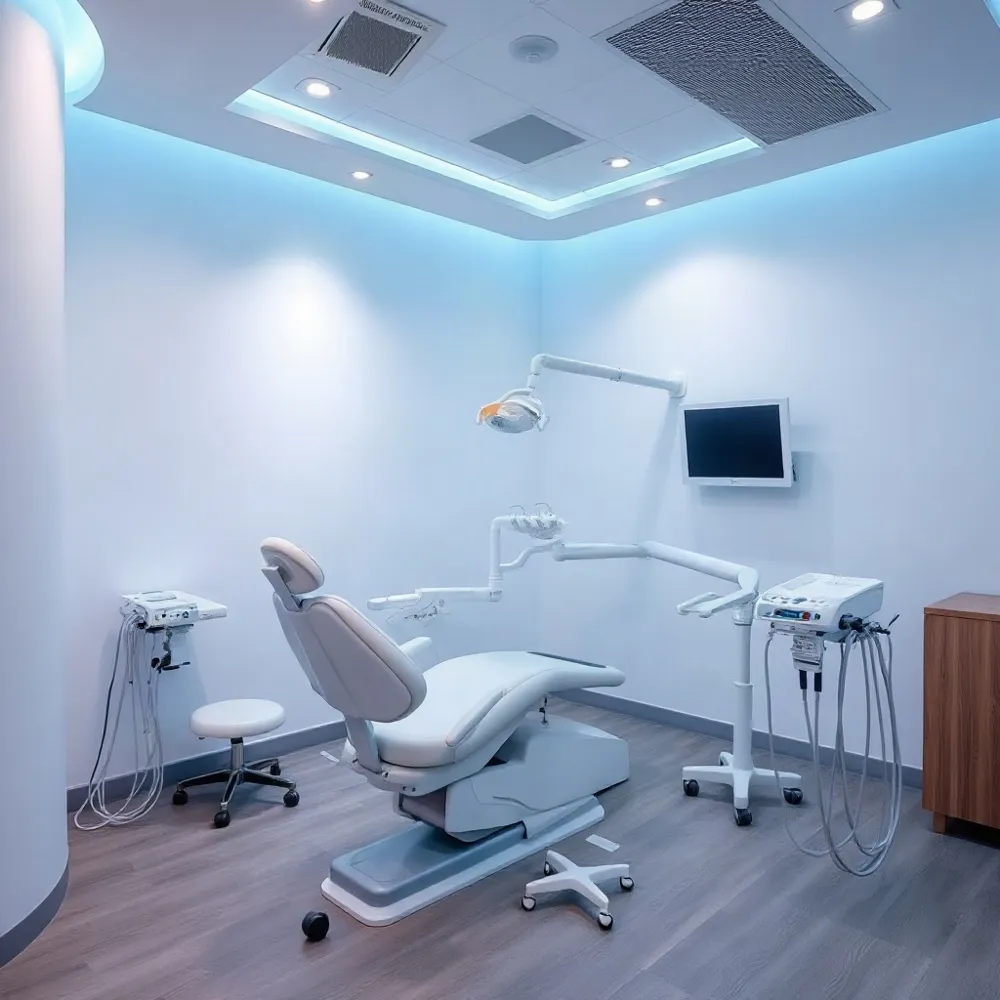
Why Comfort Matters in Pediatric Dental Care
Importance of Early Dental Visits
Starting dental care early, ideally around your child's first birthday or when the first tooth appears, helps establish familiar and positive oral health routines. Early visits reduce fear and increase cooperation by introducing children to a friendly dental environment.
Common Causes of Dental Anxiety in Children
Many children experience dental anxiety due to fear of the unknown, unfamiliar tools, and strange sounds. Approximately 20–30% of children may feel nervous about dental visits, which can lead to missed appointments and poor oral health.
Role of a Positive Dental Environment
A welcoming, child-friendly setting with colorful decor, toys, and gentle staff plays a vital role in easing anxiety. Pediatric dentists use fun interactions, positive language, and comforting techniques to make visits enjoyable, helping children feel safe and confident about their dental care.
Key Facts List on Pediatric Dental Care
- Children often fear the dentist due to unfamiliar surroundings and anticipation of discomfort.
- Scheduling the first dental visit by age one helps establish positive habits and normalize dental care.
- Early oral habits, like gently cleaning first erupted teeth, promote lifelong healthy dental routines.
- Child-friendly dental environments feature bright decor, engaging murals, and distraction tools to reduce anxiety.
- Positive reinforcement, praise and rewards, encourages children's cooperation and positive attitudes towards dental visits.
- Giving children control over choices like toothpaste flavor and involving them in procedures reduces anxiety.
- Pre-visit activities such as office tours and pretend play familiarize children and lessen dental fears.
- Creating a welcoming atmosphere with toys, distraction, and comfort items helps calm nervous children during visits.
- Maintaining a calm, positive communication style is essential for reducing children’s dental anxiety.
- The 3-3-3 rule advocates brushing 3 times daily, 3 minutes each, and changing toothbrushes every 3 months for optimal oral health.
1. Start Early: Introduce Dental Care from the First Tooth
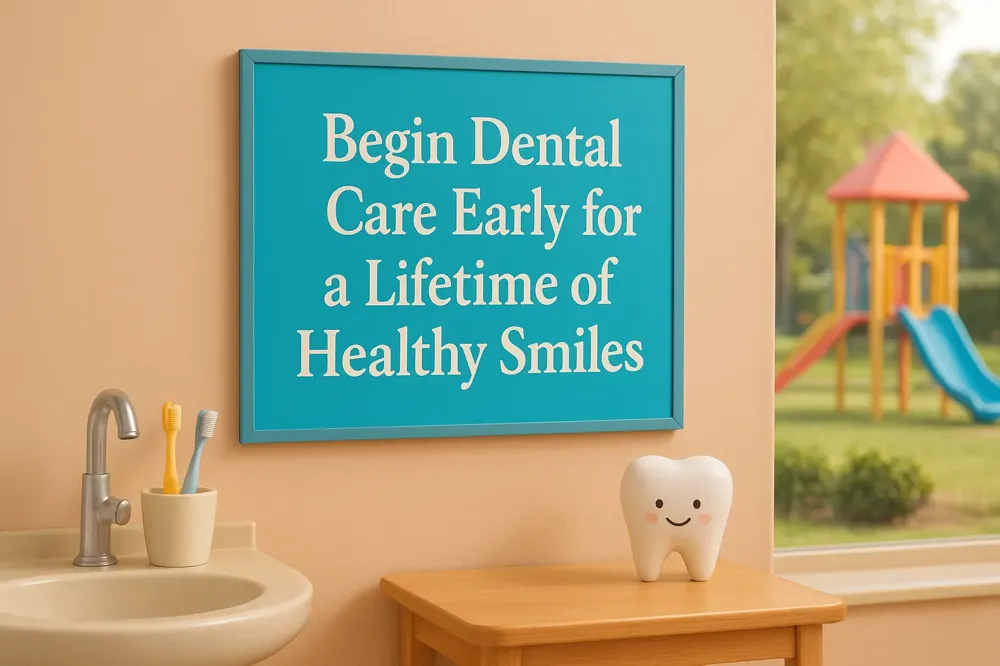
Why are children often scared of the dentist?
Children commonly fear the dentist due to unfamiliar surroundings and anxiety about potential discomfort during dental treatments. This fear can result in a negative attitude toward dental health that may persist into adulthood. See more on Fear of the dentist in children.
Scheduling first dental visit by age one
The American Academy of Pediatric Dentistry recommends scheduling your child's first dental visit by their first birthday or when their first tooth appears. This early introduction establishes a foundation for positive experiences and helps normalize dental visits as a routine part of life. Learn about first tooth appears and Initial dental visits for children.
Establishing oral habits early
Gently cleaning your child's teeth and gums as soon as the first tooth erupts helps familiarize them with oral care. Early exposure to dental hygiene routines encourages lifelong healthy habits and cooperation with dental professionals. Read about Establish Good Oral Habits and Brushing Teeth to Music.
Reducing fear through familiarity
A pre-visit office tour and positive discussions about dental care create familiarity that reduces anxiety. Repeated, short dental visits allow children to gradually become comfortable with the environment, making future appointments less intimidating. For more tips on Touring the Dental Office and Reducing Fear of the Unknown, check these resources.
Early dental visits transform anxiety into confidence, setting the stage for a lifetime of healthy smiles and positive dental experiences. Discover Creating a Positive Dental Experience for Your Child and Managing Dental Anxiety in Children.
2. Choose a Child-Friendly Dental Environment
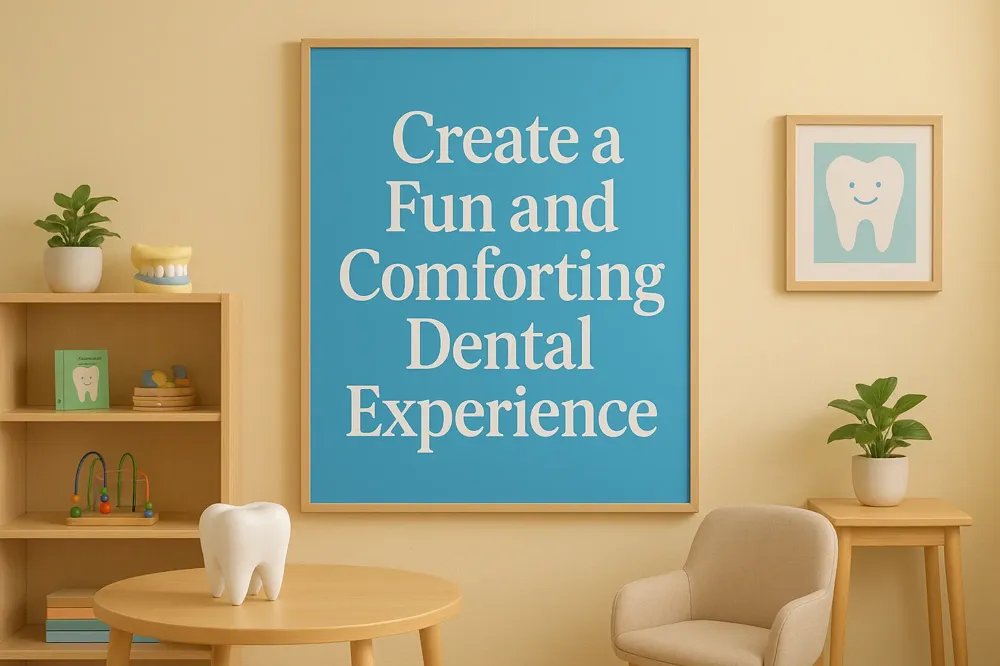
What Are the Benefits of Pediatric Dentists?
Pediatric dentists specialize in caring for children's dental needs with knowledge tailored to young patients. They create a child-friendly dental environment that helps Reducing dental anxiety in kids , making Kid-Friendly Dental Visits rather than intimidating. Their expertise allows for gentle techniques in pediatric dentistry and child-friendly communication in dentistry, ensuring children feel safe and understood during appointments.
How Do Child-Focused Dental Offices Help?
Child-focused dental offices often feature bright, colorful decor, engaging murals, and playful waiting areas filled with toys and books. These design elements transform what could be a sterile space into a Creating a welcoming dental environment. Distraction tools like televisions or tablets provide entertainment during procedures, helping children relax.
Why Is Friendly Staff Important?
Staff trained specifically in pediatric care understand how to communicate with children effectively. They use positive language for dental visits, avoid frightening words, and employ techniques like storytelling or simple explanations to Helping children have positive dental visits. Offering Comfort items for nervous children or allowing children to choose small Rewarding kids after dental visits encourages cooperation and builds positive associations with dental care.
How Can You Make a Child Feel Comfortable at the Dentist?
To help a child feel comfortable, choose a pediatric dental practice staffed by friendly professionals. Before the visit, explaining dental visits to children using reassuring and positive terms. Allow the child to bring comfort items to dentist and consider scheduling visits when the child is well-rested. Involving kids in small choices, such as Choose toothpaste flavor or Choose music at dentist, empowers them and reduces anxiety.
| Feature | Description | Benefit |
|---|---|---|
| Pediatric Dentists | Specialists trained for children | Reduces fear, gentle care |
| Child-Friendly Design | Bright colors, toys, murals | Creates fun, calming space |
| Friendly Trained Staff | Skilled in child communication | Builds trust, eases anxiety |
| Comfort Items & Rewards | Toys or treats post-visit | Encourages cooperation |
3. Use Positive Reinforcement and Rewards

Encouraging Cooperation Through Praise
Positive reinforcement is a powerful way to help children feel more comfortable at the dentist. Complimenting your child for their bravery and cooperation during the appointment can build their confidence and foster a Fostering Positive Attitudes Toward Dental Care.
Offering Small Rewards After Visits
After a dental visit, small rewards like stickers, extra playtime, or a favorite activity can motivate children to cooperate during appointments. These incentives help transform dental visits into making dental visits fun for children.
Celebrating Dental Milestones
Acknowledging milestones, such as a first cavity-free visit or consistent regular checkups, provides emotional encouragement. Celebrations and praise reinforce good habits, encouraging children to maintain encouraging ongoing oral health habits.
How Can You Help a Child With Dental Anxiety?
Helping a child with dental anxiety begins with gentle, age-appropriate explanations about what to expect, focusing on positive outcomes like having strong, healthy teeth. Employing Positive reinforcement for kids during and after visits makes dental care a less intimidating experience and encourages ongoing cooperation.
4. Empower Kids by Giving Them Control

How can letting children choose toothpaste flavors or music help during dental visits?
Giving children the opportunity to choose toothpaste flavors or the music played during their dental visit helps them feel involved and empowered. This simple act of choice can reduce anxiety by making the experience more personalized and enjoyable. When children feel they have a say in what happens during their visit, it fosters a sense of control and cooperation. Learn more about Choose Toothpaste Flavor and Choose Music at Dentist.
Why is allowing participation in dental procedures important?
Allowing children to participate in small ways during dental procedures, such as holding a mirror or rinsing their mouth, helps demystify the process. Participation can shift the child's experience from passive to active, reducing feelings of helplessness and fear. This involvement encourages trust and makes the dental environment less intimidating. For tips on Explaining Dental Visits Simply, Pretend Play Dentist, and Helping Kids Overcome Fear of Dental Visits, see the linked resources.
What role do safety signals or communication methods play?
Creating a safety signal, such as a hand gesture or a specific word, allows children to communicate discomfort or the need to pause during a procedure. This method reassures children that they are in control and their feelings are respected. It builds trust between the child and dental staff, decreasing stress and making visits more positive and comfortable. Explore information on Create Safety Signal During Appointment and Communication Methods at Dentist.
5. Familiarize Through Pretend Play and Pre-Visit Activities
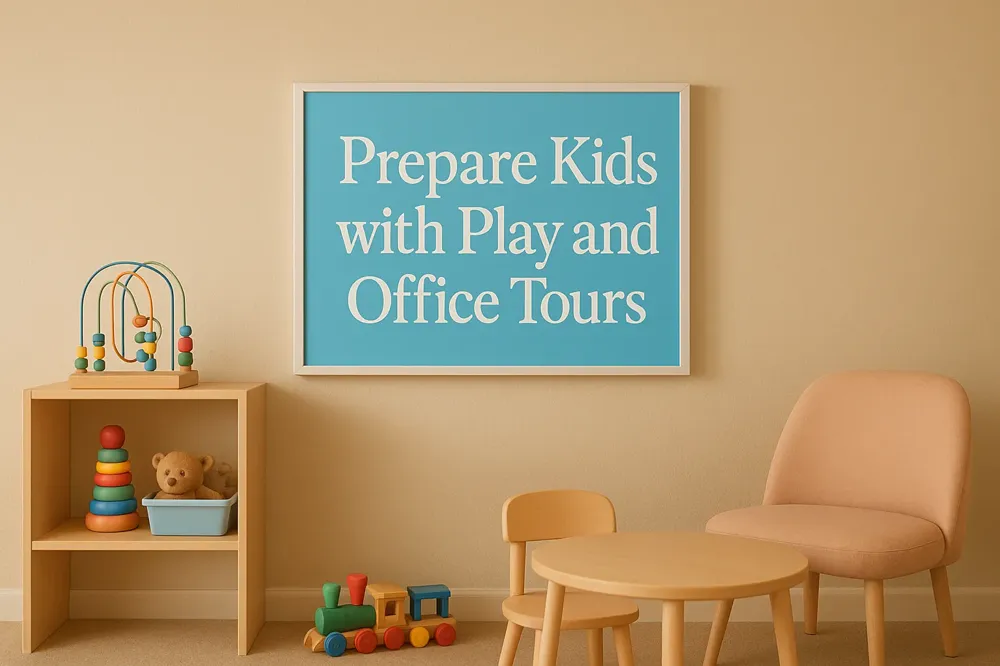
How can you help a child with dental anxiety?
One effective strategy to ease a child's dental anxiety is to introduce them to dental care through Pretend Play Dentist and pre-visit activities. Playing dentist at home allows children to explore the dental environment in a non-threatening way. Using toys and role-play, kids can become familiar with common dental procedures, which reduces Fear of the dentist in children.
Touring the dental office before the appointment is another helpful approach. A visit to the office for a meet-and-greet lets the child see the colorful waiting area, interact with the dental team, and understand what to expect in a calm setting. This familiarity minimizes apprehension.
Meeting the dental team ahead of time helps children build trust with the staff. When children recognize the friendly faces who will care for them, they feel more comfortable and secure during the actual visit. Meeting the dental team before the visit
Together, these activities create positive associations with dental visits and help children feel empowered rather than anxious, making their dental care experience easier and more pleasant.
6. Create a Welcoming and Distraction-Friendly Atmosphere
Child-friendly decor and toys in office
A dental office decorated with colorful murals, engaging artwork, and a variety of toys creates a playful and inviting environment. This friendly setting helps reduce anxiety by making the space feel less clinical and more like a fun place to visit. For more about Creating a Positive Dental Experience for Kids, see resources on Kid-Friendly Dental Visits.
Use of distraction like music, videos, and games
During dental procedures, distraction techniques in pediatric dentistry such as playing music, showing cartoons on ceiling-mounted TVs, or providing interactive games can effectively divert a child's attention from the procedure. Allowing children to wear headphones to listen to their favorite songs or watch their preferred shows helps calm them and reduces dental fear. Learn more about Strategies for easing fear with distraction techniques.
Providing comfort items like stuffed animals
Bringing a beloved stuffed animal or blanket provides emotional support and a sense of security for children during dental visits. Comfort items serve as a reassuring link to home and ease the nerves associated with unfamiliar surroundings. This is part of Comforting children with toys at the dentist.
How can you calm a child during a dental procedure?
Allowing the child to wear headphones and listen to favorite music or watch cartoons, using distraction techniques like storytelling or music, and offering comfort items help divert attention and ease nerves during procedures. These approaches foster a calm, positive atmosphere, making dental experiences more manageable and encouraging ongoing oral health care. Such methods are emphasized in Managing dental anxiety in children and Strategies to help your child feel comfortable at the dentist.
7. Communicate Clearly and Maintain a Calm Attitude
How can you calm a child during a dental procedure?
Using clear, positive, and simple language is essential when speaking with children during dental visits. Words like "pain" or "shot" should be avoided, as they can trigger fear and anxiety. Instead, dentists and parents can use friendly terms like "explaining dental visits to children" or "explaining dental procedures to kids" to describe procedures in ways children can understand without fear.
Parental support and maintaining a calm, reassuring demeanor during dental appointments play a crucial role in helping children feel secure. When parents remain composed and speak positively about the visit, children are more likely to mirror this attitude and feel more comfortable, as emphasized in "Positive Parental Attitude Towards Dentist" and "Using positive language in dental care".
Dentists also contribute by explaining instruments and steps gently, sometimes using analogies or playful descriptions, making the environment less intimidating. This combination of clear communication and calm presence helps children cope better with dental procedures, reducing anxiety and fostering a positive dental experience, as noted in "Reducing Dental Anxiety in Children" and "Creating a Positive Dental Experience for Your Child".
Understanding Common Childhood Dental Fears
Why are children often scared of the dentist?
Children's fear of the dentist largely stems from unfamiliar environments and the anticipation of pain. A dental office can be overwhelming with strange sounds, bright lights, and unfamiliar people. This newness can trigger anxiety, especially when children anticipate discomfort from procedures.
Early exposure to dental visits, starting around a child's first birthday or with the eruption of their first tooth, significantly helps in reducing anxiety during dental visits. Familiarity gained through consistent visits builds comfort and reduces apprehension. Introducing children early allows them to associate dental care with routine, non-threatening experiences, which aligns with Starting Dental Visits Early.
By gently familiarizing children with dental settings and using positive reinforcement after dental visits, parents and practitioners can alleviate dental anxiety. Activities such as Touring the Dental Office, role-play, and explaining procedures in simple terms help demystify dental visits. This proactive approach encourages cooperation and fosters lifelong healthy oral habits, consistent with recommendations for Creating a Positive Dental Experience for Your Child.
| Factor | Description | Impact |
|---|---|---|
| Unfamiliar environment | New sights, sounds, and people in the dental office | Increases anxiety and fear |
| Anticipated pain | Fear of potential discomfort during treatment | Heightens nervousness and avoidance |
| Early dental exposure | Starting visits around age one or first tooth appearance | Builds familiarity, reduces fear, promotes trust |
Effective Techniques to Calm Children During Dental Procedures
How can you calm a child during a dental procedure?
Calming a child during dental treatment involves several gentle strategies aimed at reducing anxiety and building comfort. Teaching relaxation techniques like deep breathing or guided imagery before the visit can help children manage stress. Explaining procedures in simple, friendly language also helps children feel more secure and informed. For more ideas on managing dental anxiety in children, including Role-playing dental visits and Positive language for dental visits.
Distraction is another effective method. Allowing children to listen to their favorite music through headphones or watch cartoons during the procedure diverts their attention from dental instruments and noises, decreasing fear. Techniques such as Distraction during dental procedures and Toys and games in dentist offices can make the experience much less intimidating.
Parents play a crucial role by being present during appointments. Their comforting presence provides emotional security. Positive reinforcement for dental visits such as verbal praise and small rewards after the visit motivates good behavior and associates dental visits with positive experiences, encouraging ongoing cooperation and enthusiasm for dental care.
Helping Children Overcome Dental Anxiety
How can you help a child with dental anxiety?
Helping children overcome dental anxiety starts with careful preparation and support. Choosing an experienced pediatric dentist benefits familiar with children's unique needs ensures a welcoming and child-friendly dental environment that minimizes fear. Scheduling appointments when children are well-rested, such as in the morning, helps lower stress and makes the visit smoother.
Bringing comfort items like a favorite stuffed animal or blanket can provide emotional security during the visit. Parents should maintain a calm, reassuring attitude, using positive language for dental visits and gentle explanations to help children feel safe. This supportive approach encourages cooperation and builds lasting, positive dental experience for children.
Choosing experienced pediatric dentists
Pediatric dentists specialize in treating children and create a friendly atmosphere tailored to their comfort. They use gentle techniques and explain procedures in simple, positive terms to reduce intimidation and build trust.
Timing appointments for low stress
Scheduling dental visits when a child is relaxed and well-rested helps reduce anxiety. Morning appointments are often preferable since children tend to be in better moods and more cooperative. This is part of Scheduling dental appointments for children.
Using comfort items
Allowing children to bring familiar objects such as toys or blankets during dental visits provides reassurance and a sense of control, easing nervousness. This is recommended under Bringing comfort items to the dentist and Comfort Items for Nervous Children.
Maintaining calm and reassurance
A calm parental presence and reassuring communication throughout the appointment help children feel secure. Avoiding negative words and focusing on positive outcomes encourages a confident mindset toward dental health, as advised in Comfortable dental care for kids and Positive parental attitude towards dentistry.
| Strategy | Purpose | Example |
|---|---|---|
| Experienced pediatric care | Child-friendly, expert approach | Use of gentle techniques and child explanations (pediatric dentist benefits) |
| Timing of appointments | Minimizing stress and fatigue | Morning visits when child is rested (Scheduling dental appointments for children) |
| Comfort items | Emotional security | Bringing stuffed toys or blankets (Comfort Items for Nervous Children) |
| Calm and reassurance | Building trust and confidence | Positive language and steady demeanor (Comfortable dental care for kids) |
Dental Hygiene Basics for Kids: The 3-3-3 Rule
What is the 3-3-3 rule for brushing teeth?
The 3-3-3 rule for brushing teeth is an easy-to-remember guideline to help children maintain healthy teeth and gums. It suggests brushing teeth three times a day, ideally after every main meal.
Each brushing session should last approximately three minutes to clean all areas effectively, including between teeth and along the gumline.
Additionally, the rule recommends changing your toothbrush every three months to ensure it remains effective and hygienic.
Why is the 3-3-3 rule important for oral health?
Following this rule helps remove plaque and food debris, which can cause cavities and gum disease if left unchecked. Regular brushing keeps teeth strong and gums healthy, reducing the risk of dental problems that could lead to pain or visits to the dentist.
How can you encourage good brushing habits in kids?
Making brushing a fun and interactive routine can motivate children to adopt the 3-3-3 rule. Use colorful toothbrushes, play brushing songs for three minutes, and praise them after each session. Positive reinforcement for dental visits helps build a lasting habit, supporting lifelong oral health.
The Rule of 7 in Pediatric Dentistry: What Parents Should Know
What is the "Rule of 7" in pediatric dentistry?
The "Rule of 7" in pediatric dentistry is a helpful guideline in pediatric dental care that encourages parents to ensure their child has a dental checkup by age 7. This age marks a critical point where dentists can detect early dental problems and help children develop Creating a Positive Dental Experience for Your Child.
Why are early dental checkups important?
Early checkups allow for the prevention and treatment of dental issues before they worsen. Children become familiar with dental visits from a young age, which reduces fear and anxiety. It also builds a foundation for lifelong oral health habits (Starting Dental Visits Early, Introducing Children to the Dentist Early.
What happens around age 7 regarding teeth?
By the age of 7, most children will have lost all 20 of their primary (baby) teeth, making way for their permanent teeth. This transition is an important milestone monitored by dental professionals to ensure proper development and alignment (Regular Dental Visits for Children).
The Rule of 7 helps parents and dentists work together to promote healthy smiles by encouraging Routine Dental Check-Ups Every Six Months starting early in life and focusing on key developmental stages.
Fostering Lifelong Comfort and Confidence at the Dentist
Building a Positive Dental Experience for Children
Creating a comfortable dental visit for kids involves several effective strategies. Early introduction to dental care, starting around the first tooth or birthday, helps children become familiar with the dental environment. Using gentle language, interactive play like pretend dentistry, and allowing children to bring comfort items such as favorite toys can reduce anxiety. Child-friendly offices with colorful decor and distraction methods like videos or music also make visits enjoyable.
Role of Parental Involvement
Parents play a vital role by maintaining a positive attitude, refraining from negative language, and preparing children by discussing what to expect. Positive reinforcement like praise and rewards after visits encourages cooperation and builds confidence. Scheduling appointments when children are well-rested ensures smoother experiences.
Benefits of Positive Dental Experiences
Consistently positive visits foster trust and reduce fear, encouraging regular checkups and good oral hygiene habits. This foundation helps children develop lifelong comfort and confidence in dental care, leading to better overall oral health.