Why Sharing Success Stories Matters
Dental anxiety can lead patients to skip check‑ups, allowing cavities, gum disease and even tooth loss to develop unnoticed. Loud Family Dental in Shreveport, Louisiana, counters this trend by creating a community‑oriented environment that prioritizes comfort, clear communication and personalized sedation options such as nitrous oxide or IV sedation. When patients like Andrew Wendt, Vicki, or Gary share how a calm, empathetic team and a simple “laughing gas” session turned a feared visit into a positive experience, their stories become powerful proof that fear can be managed. These narratives reassure nervous newcomers, demystify procedures, and encourage regular preventive care—protecting oral health before problems become invasive. By highlighting real‑world successes, the clinic builds trust, reduces stigma, and motivates more people to seek the dental care they deserve.
Andrew Wendt’s Journey with Nitrous Oxide
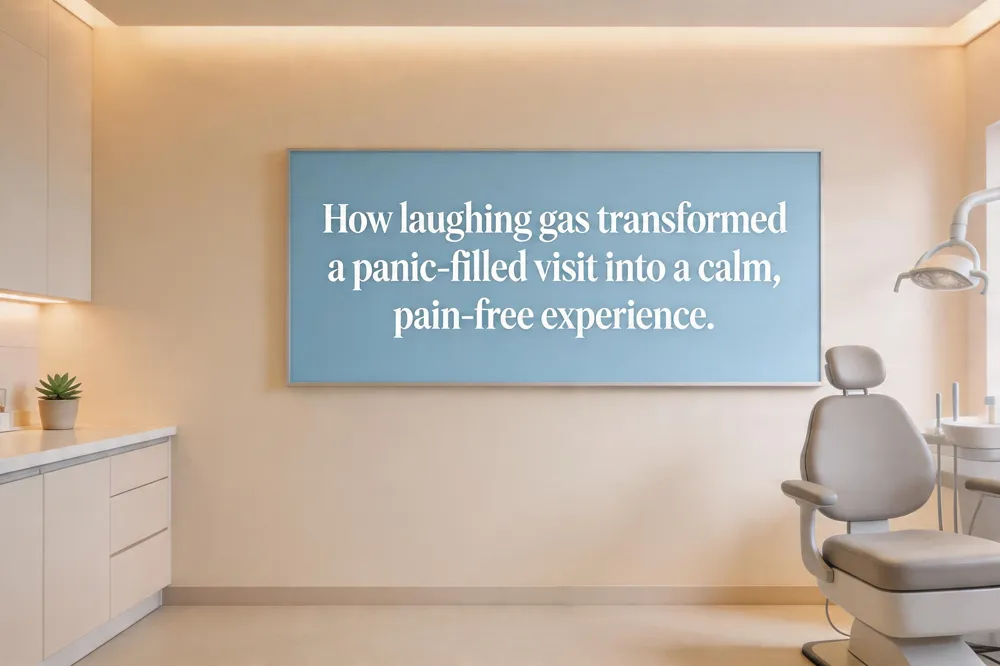 Andrew Wendt walked into Loud Family Dental with a pounding heart and a history of skipping appointments because the thought of a drill sent him into a panic. After a brief, open conversation about his fears, the team explained every step of his upcoming root‑canal and crown work, showing him the gentle equipment and offering a simple hand‑signal he could use if he needed a pause. Andrew chose nitrous oxide—laughing gas—as his sedation method. Within minutes the gas eased his anxiety, dulled the sound of the drill, and let him focus on his breathing instead of the procedure. The result was a pain‑free, calm treatment that turned a dreaded visit into a positive experience, and Andrew now schedules regular cleanings without hesitation.
Scared of dentist but need treatment? If you’re nervous but know you need care, call Loud Family Dental before your appointment and share your worries. The team will craft a comfortable plan, offering gentle communication, a calm office, and options such as nitrous‑oxide, oral sedatives, or IV sedation for severe anxiety. Bring headphones, practice deep‑breathing, and agree on a hand signal to pause if needed. Painless numbing gels and step‑by‑step explanations keep you in control.
How to deal with extreme fear of the dentist? Talk openly with the dental team so they can tailor the visit. Request clear, step‑by‑step explanations, a hand‑signal, and relaxation techniques like deep‑breathing or progressive muscle relaxation. Use headphones or a favorite playlist, and ask for comfort measures such as numbing gels or a weighted blanket. If needed, discuss sedation options—nitrous oxide, oral sedatives, or IV sedation—and consider cognitive‑behavioral therapy for long‑term relief.
Gary’s Victory with IV Sedation
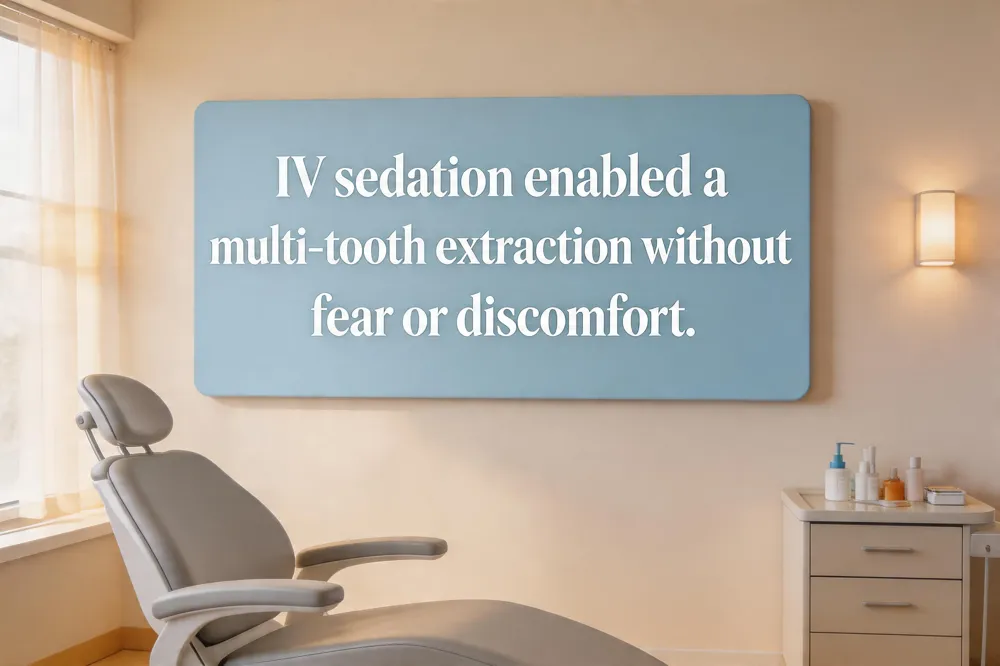 When Gary arrived at Loud Family Dental in Shreveport, his lifelong dread of the dentist kept him from any treatment for years. The clinic’s community‑oriented approach began with a calm, empathetic consultation where his fears were openly discussed. Recognizing the severity of his anxiety, the dental team recommended intravenous (IV) sedation – a safe, fast‑acting option that keeps patients awake but deeply relaxed. IV sedation, typically using midazolam or propofol, bypasses the needle phobia and eliminates the trigger of drill sounds, allowing Gary to feel in control throughout the procedure.
With the sedation in place, Dr. Brown performed a multi‑tooth extraction in a single appointment. The precise, guided‑biofilm‑therapy techniques minimized trauma, and the IV agents provided a pain‑free experience and swift recovery. Post‑procedure, Gary reported no lingering discomfort and was able to resume normal activities within hours.
Dental anxiety medication – Patients can choose from nitrous oxide, oral benzodiazepines, or IV drugs like midazolam, propofol, or ketamine, each offering tailored levels of sedation while keeping safety paramount. Discussing medical history and any drug allergies with the dentist ensures the best plan.
What causes dental anxiety? – It often arises from the body’s fight‑or‑flight response, past painful dental experiences, loss of control, and sensory triggers such as drill noises and smells. Genetic predisposition, family attitudes, and cultural portrayals of dentistry can amplify these fears. Open communication and a supportive environment, like that at Loud Family Dental, are key to overcoming them.
Vicki’s Path to Medication‑Free Visits
 Vicki’s journey illustrates how a patient can move from relying on nitrous oxide to enjoying dental appointments without any sedation. At her first visit to Loud Family Dental, she said she was “brave enough” to walk in despite tears. The team introduced her to nitrous oxide, which quickly eased her nerves while the dentist explained each step in plain language. As her confidence grew, Vicki and the clinicians added a simple hand‑signal system – raising a finger – so she could pause the procedure whenever she felt overwhelmed. Coupled with guided deep‑breathing and progressive muscle relaxation, the signal gave her a sense of control and reduced the physiological fight‑or‑flight response.
Over several months Vicki transitioned to using only the hand‑signal and relaxation techniques, reserving nitrous oxide for more invasive work. To cement this progress, she began a short‑term cognitive‑behavioral therapy (CBT) program that taught her to reframe anxious thoughts and practice systematic exposure to the dental environment. The combination of clear communication, a calm chair‑side manner, and CBT helped Vicki break the cycle of avoidance.
How to stop worrying about dental issues? Start by learning about your own oral health through regular check‑ups and clear explanations from a dentist who values open communication. Practice relaxation techniques such as deep‑breathing or progressive muscle relaxation before and during appointments to keep your nervous system calm. Choose a dental practice—like Loud Family Dental—that uses modern, low‑pain technology and offers sedation options if needed. Gradually expose yourself to the dental environment, beginning with a simple consultation and building up to more involved procedures as your confidence grows. Finally, reinforce each successful visit with positive self‑talk and a small reward, reminding yourself that proactive care reduces future worries.
Types of dental phobia Dental phobia comes in several distinct forms, each triggered by a different aspect of the dental experience. Odontophobia, also called dentophobia, is a generalized fear of dentists and any dental treatment, often leading to avoidance even when pain is present. Many patients are specifically afraid of pain or the sound and vibration of drills, which is described as a fear of pain or a fear of loud noises and equipment. Other common phobias include a needle phobia or fear of injections, a gag‑reflex phobia, and a fear of losing control or being unable to breathe while in the dental chair. These fears can be compounded by past traumatic experiences, embarrassment about oral health, or broader anxiety disorders, and addressing them may involve relaxation techniques, sedation, or therapy.
Community Support and Preventive Care
 Regular dental cleanings and early check‑ups are the cornerstone of a healthy smile. Even a simple prophylaxis removes plaque that can lead to cavities, gum disease, or more invasive procedures later. Loud Family Dental in Shreveport emphasizes a community‑oriented approach, offering a free consultation for patients who are nervous or unsure about treatment. During this visit the team discusses concerns, explains options such as nitrous‑oxide “laughing gas” or IV sedation, and helps patients design a personalized schedule that fits their risk level and lifestyle.
What is the 2‑year rule for dentist? The “2‑year rule” is a safety net used by some insurers: you should not go longer than two years without a dental exam. It is not a recommendation for optimal oral health; most patients benefit from visits every six months, or more often if they have high‑risk factors. The rule simply ensures low‑risk patients with excellent hygiene have a maximum interval before a professional evaluation.
How to let a dentist know you’re scared? Be direct and honest. Share specific past experiences, describe physical reactions (racing heart, sweaty palms), and ask for a step‑by‑step explanation in plain language. Request a clear stop signal—raising a hand or saying “stop”—and discuss options like calming music, blankets, or gentle. Loud Family Dental also offers nitrous‑oxide and IV sedation to create a stress‑free environment, turning anxiety into confidence for regular, preventive care.
Practical Tools for Managing Anxiety Today
 Dental anxiety symptoms
Dental anxiety often shows up as physical signs such as a racing heartbeat, sweating, trembling, and shortness of breath. Many people also experience nausea, a feeling of light‑headedness or low blood pressure that can lead to fainting. Emotional reactions may include visible distress, crying, panic, or an overwhelming urge to avoid dental appointments altogether. Recognizing these symptoms helps both patients and dentists address the anxiety before it interferes with needed oral care.
Dental anxiety symptoms
Dental anxiety often shows up as physical signs such as a racing heartbeat, sweating, trembling, and shortness of breath. Many people also experience nausea, a feeling of light‑headedness or low blood pressure that can lead to fainting. Emotional reactions may include visible distress, crying, panic, or an overwhelming urge to avoid dental appointments altogether. Recognizing these symptoms helps both patients and dentists address the anxiety before it interferes with needed oral care.
Hand signal, music, weighted blankets, numbing gels A simple hand‑signal (e.g., raising a finger) gives patients a quick way to pause a procedure, restoring a sense of control. Soft background music or headphones can mask the drill’s sound and distract the mind. Weighted blankets or a neck cushion provide gentle pressure that soothes the nervous system. Topical numbing gels, applied at body temperature, reduce needle pain and lessen needle‑related fear before the injection.
The 3‑3‑3 rule for post‑procedure pain The rule advises taking three 200 mg tablets of ibuprofen every three hours, for a maximum of three days, to reduce inflammation and pain after a dental procedure. Always follow your dentist’s dosage recommendations.
Turning Fear into Confidence
Reading real patient stories gives new visitors a roadmap for overcoming their own worries. When Andrew Wendt describes how nitrous‑oxide “laughing gas” eased his anxiety, or Vicki explains the calm she felt after a brief IV sedation, prospective patients see that fear can be managed, not endured. Those testimonials also highlight how clear, step‑by‑step communication lets the dental team tailor each appointment, offering a stop‑signal, gentle explanations, and a relaxed pace. At Loud Family Dental, this personalized approach is reinforced by a full suite of sedation options—nitrous oxide, oral anxiolytics, and IV sedation—chosen together with the patient after a thorough comfort consultation. The clinic’s commitment extends beyond the chair: free consultations, flexible financing, and ongoing education empower patients to keep regular check‑ups, turning a once‑terrifying visit into a confident, lifelong partnership. By fostering trust and providing follow‑up, Loud Family Dental ensures smile story thrives, reinforcing a community of oral health.